Classic Slots Online UK: Reels, Symbols and Play
 Available in GB
See how three reels, familiar symbols and simple paylines connect traditional fruit machines with online casino play.
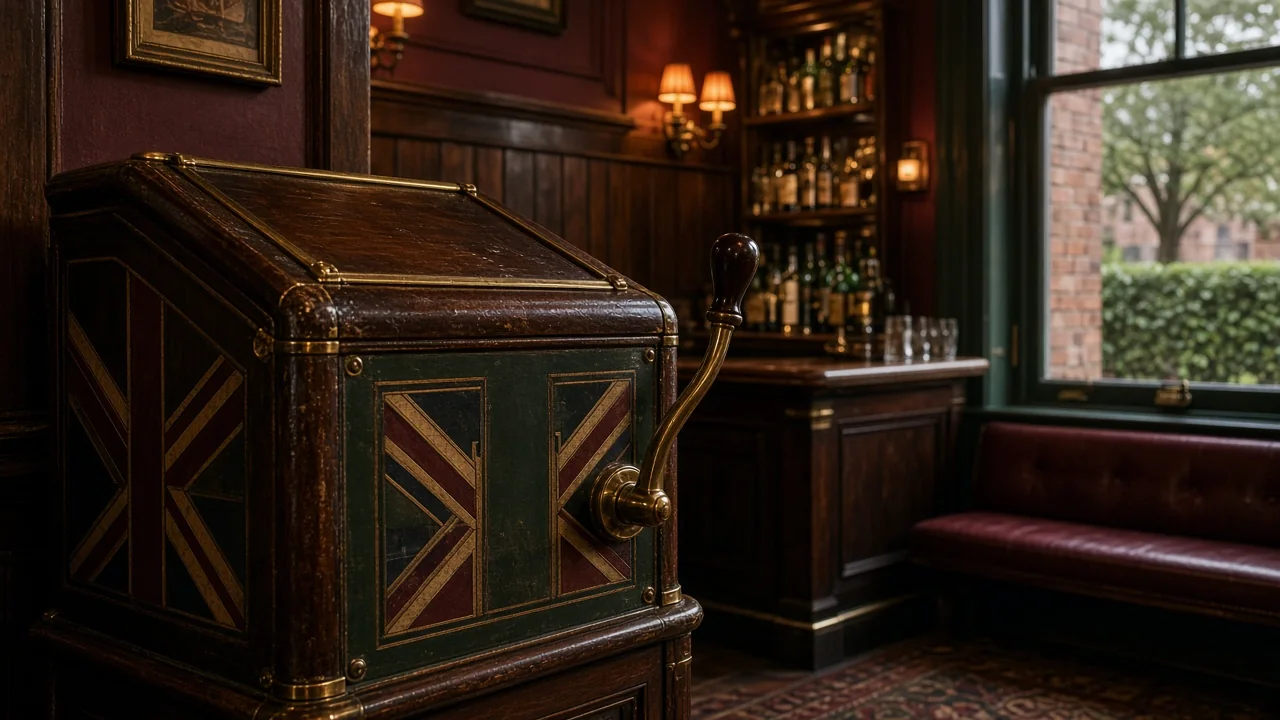
Table of Contents
- What Makes a Classic Slot Classic?
- The Classic Slot Machine, From Pub Corner to Online Screen
- Choosing a UK Casino Setting for Classic Slots
- Classic Slot Games: Reels, Symbols and the Small Theatre of Chance
- How to Play a Classic Slot Online
- Real-Money Classic Slots and the UK Compliance Line
- What “Classic Slot UK” Means in Practice
- Free Classic Slots: Practice Without the Pub Machine
- The Classic Fruit Slot and Britain’s Everyday Gambling Landscape
- Classic Slot Machine Symbols: Why the Old Signs Still Matter
What Makes a Classic Slot Classic?
A classic slot is less a matter of age than of restraint. Its identity comes from a compact visual language and a simple mechanical idea: reels turn, symbols settle, and winning combinations are judged along a limited set of lines. The format feels familiar because it borrows from the old fruit-machine tradition without needing the noise, animation and elaborate mythology associated with many modern online games.
The most recognisable form is the three-reel layout. Three vertical reels sit beside one another, each carrying a sequence of symbols. When the reels stop, the visible symbols are read across a payline or another defined winning arrangement. There is no sprawling grid to decode and no cast of fictional characters to remember. The machine presents a small problem in motion, then gives a small answer.
That economy is the point.
The three-reel character
Three-reel classic slots are often treated as the purest expression of the format because every element remains visible. The reels are the centre of attention. Their movement creates anticipation, while their eventual alignment supplies the result. The player does not need to navigate a story or interpret a changing map of features. The action is concentrated in the repeated cycle of spin, stop and comparison.
This page highlights UK-licensed operators relevant to classic slots online in the UK in 2026. Use the brief verdicts to review key bonus, payout-speed and minimum-deposit details before choosing where to play.
License: UKGC Operator Licence · Bonus: £20 bonus · Payout speed: Within 48 hours · Min. deposit: £10 A UKGC-licensed operator offering a £20 bonus. Its stated payout speed is within 48 hours, with a £10 minimum deposit.
License: UKGC Operator Licence · Bonus: £200 welcome bonus · Payout speed: Within 48 hours · Min. deposit: £10 A UKGC-licensed operator featuring a £200 welcome bonus. Payouts are stated to arrive within 48 hours, and the minimum deposit is £10.
License: UKGC Operator Licence · Bonus: £100 bonus · Payout speed: Within 24 hours · Min. deposit: £10 A UKGC-licensed operator with a £100 bonus and payouts stated to be completed within 24 hours. The minimum deposit is £10.
License: UKGC Operator Licence · Bonus: £100 bonus · Payout speed: Within 24 hours · Min. deposit: £10 A UKGC-licensed operator offering a £100 bonus. It states a payout speed of within 24 hours and a £10 minimum deposit.
License: UKGC Operator Licence · Bonus: £50 bonus · Payout speed: Within 48 hours · Min. deposit: £10 A UKGC-licensed operator with a £50 bonus. Its stated payout speed is within 48 hours, with a £10 minimum deposit.
License: UKGC Operator Licence · Bonus: £100 bonus · Payout speed: Within 24 hours · Min. deposit: £10 A UKGC-licensed operator offering a £100 bonus and payouts stated to arrive within 24 hours. The minimum deposit is £10.
This does not mean that every classic slot must contain exactly three reels. The phrase describes a recognisable family rather than a rigid aesthetic law. Yet three reels remain the clearest shorthand for the classic style, particularly when the game is presented as a digital version of a traditional machine. More reels, extra screens and layers of bonus play can alter that character, even when the game continues to use fruit symbols and a familiar cabinet-like design.
The distinction is one of emphasis. A classic slot makes the reel result feel like the event. A more elaborate slot may treat the reels as only one part of a larger production.
Fruit, bars and the visual grammar
Classic slots tend to use symbols that can be recognised instantly. Fruit, bars, bells, stars and sevens belong to a visual vocabulary developed for quick reading. Their meanings do not require a rulebook of fictional history. A cherry looks like a cherry; a bar looks like a bar. The symbols are signs before they are decoration.
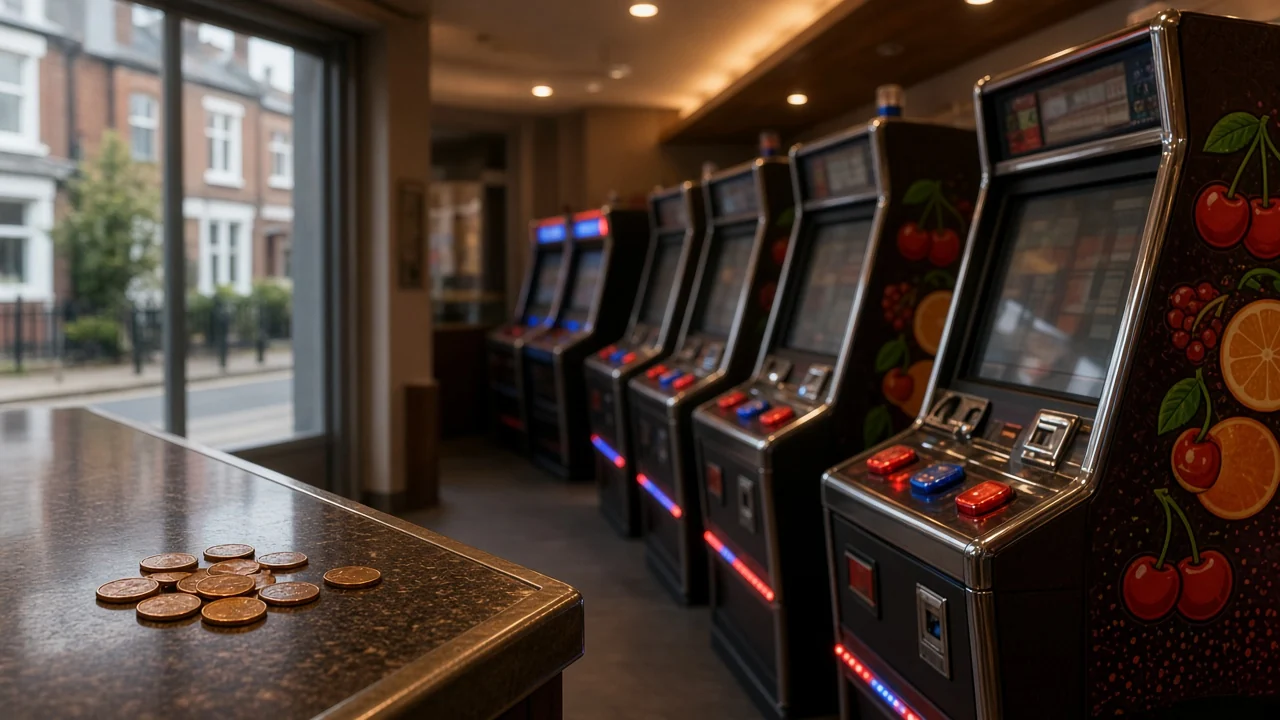
Fruit symbols also carry the memory of early amusement and vending traditions, when familiar images helped machines communicate with a broad public. Their simplicity was practical, but it became cultural. A row of fruit now suggests a particular sort of gambling entertainment even when it appears on a glass screen rather than on a physical cabinet.
The symbols are usually bold, high-contrast and arranged for immediate comparison. This is not visual minimalism in the gallery sense. It is functional clarity, sometimes dressed in colours that appear to have survived several decades without asking permission.
Traditional fruit-machine logic
The classic slot structure is built around predetermined symbol combinations and a limited paytable. The paytable explains which arrangements count and what each arrangement represents within the game. The underlying idea is straightforward: the reels produce a result, and the result is assessed against the available winning patterns.
That logic separates the format from games in which progress depends heavily on an expanding set of features. A classic slot may include variations in its presentation, but its central promise remains modest: the reels will stop somewhere, and their positions will matter. The machine does not pretend to be a board game, a role-playing adventure or a miniature television series.

This simplicity can make the outcome feel more exposed. There are fewer distractions between the spin and the result. The familiar symbols do not explain why a result occurred; they merely show what occurred. Chance remains visible in its most old-fashioned costume.
Sound, movement and atmosphere
Online presentation can reproduce the atmosphere of a classic machine through restrained animation, reel sounds and compact layouts. These details are not the definition of the format, but they help preserve its character. A short spin, a clear stop and a concise win cue can make the digital version feel connected to the machine tradition without copying every physical detail.
The best imitation is often the least theatrical. Excessive effects can turn a plain reel-based game into something else: a modern entertainment product using vintage clothing. A classic online slot works when the visual treatment supports the reels rather than competing with them.
This is why the phrase “classic slots online UK” can describe more than a theme. It points towards a style of play and presentation in which the older machine logic remains legible on a contemporary screen. The setting has changed; the grammar has not entirely disappeared.
Three vertical reels sitting beside one another, providing a compact and recognisable form.
High-contrast icons like cherries, bars, and bells designed for immediate recognition.
A straightforward structure built around predetermined symbol combinations and winning patterns.
Classic does not mean identical
There is no single official template called a classic slot. The term is descriptive, not a universal technical classification. One game may use three reels and a small number of symbols; another may borrow the same visual language while adding more elaborate mechanics. The useful question is therefore not whether a game contains one particular image, but whether its design remains centred on the traditional reel-and-symbol relationship.
That relationship gives classic slots their recognisable rhythm. The reels provide movement. The symbols provide recognition. The paytable provides interpretation. Together they create a compact form that can be understood almost immediately, which is part of its enduring appeal.
Online versions place this old structure inside a new setting, but they do not erase its origins. The screen may be bright, the controls may be digital and the surrounding casino may exist only through software. Still, when the reels occupy the stage and familiar symbols carry the meaning, the classic form is present.
Small theatre. Clear actors. One result.
The Classic Slot Machine, From Pub Corner to Online Screen
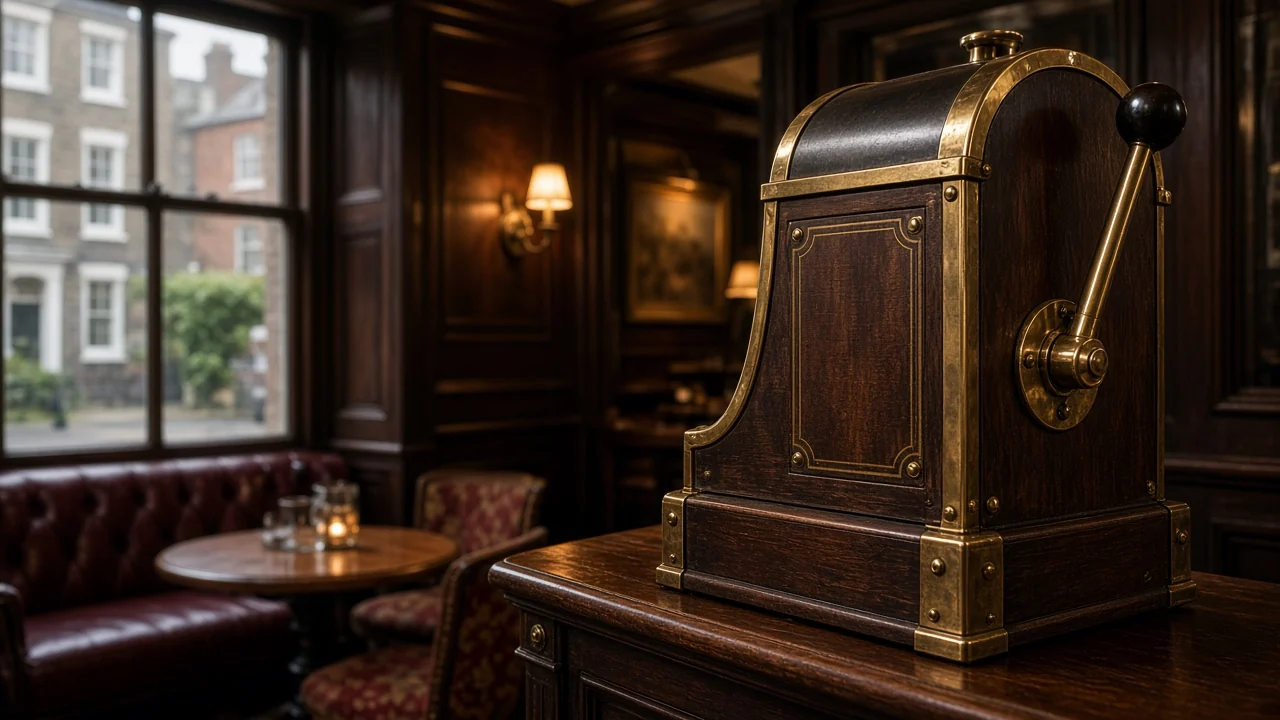
A classic slot machine is easier to recognise than to define. It is the familiar cabinet in the pub corner, the machine with reels, a compact display and a direct promise: insert a stake, set the mechanism in motion, and wait for the result. The phrase also covers online versions that borrow this physical appearance, although the screen cannot reproduce the peculiar social presence of a machine standing beside the bar.
The important distinction is between a machine type and an individual game. A classic slot machine describes the apparatus and its setting: a gambling machine available in a particular venue, operating within a legal category and subject to limits on stake and prize. A classic slot game, by contrast, describes what appears on its reels and how that game presents itself. The two ideas overlap, but they are not interchangeable.
In Great Britain, gaming machines are classified according to the maximum stake and prize available. The categories are A, B1, B2, B3, B3A, B4, C and D. That classification does not care whether a machine looks old-fashioned, brightly modern or politely disguised as something from an arcade. The permitted amount and prize determine the legal position.
The pub machine as a British object
The classic British pub fruit machine belongs most clearly to Category C. It has a maximum stake of £1 and a maximum prize of £100. This is not merely a description of a visual style. It is a regulatory identity, tied to the places where the machine may appear and to the conditions under which it may operate.
An alcohol-licensed pub is automatically entitled to up to two Category C or D machines if it notifies the local licensing authority. The rule gives the machine a particular kind of British home. It is neither the centrepiece of a casino nor an attraction requiring a separate journey to a specialist venue. It sits near the ordinary business of drinking, conversation and waiting for someone to finish telling the same story.
That setting matters. The classic machine has often been understood through its surroundings: the bar, the muted noise of the room, the practical cabinet and the small ritual of play. Its identity is therefore partly mechanical and partly architectural. Remove it from the pub and place the same logic on a phone screen, and the game may remain recognisable, but the machine has lost its public furniture.
A classic 3-reel slot machine is commonly imagined as the purest version of this form. Yet the legal category does not arise from the number of reels. A machine may look like an old fruit machine without belonging to Category C, while an online product may imitate the appearance without being a physical gaming machine at all. Appearance is persuasive. Regulation is less sentimental.
Category C Machine Maximum stake: £1
Maximum Prize £100
Typical Venue Alcohol-licensed pub
Category D and the broader low-stake family
Category D provides another useful point of comparison. These gaming machines are generally low-stake fruit machine style machines, coin pushers or crane grabs. The category has five different combinations of stake and prize, so it is not one single mechanical format. A crane grab and a reel-based machine may share a broad classification while offering entirely different experiences.
Category D machines also have no age restriction. That detail separates them sharply from Category C machines and shows why the phrase “classic slot machine” cannot do all the legal work by itself. The word classic suggests familiarity, not an entitlement to a particular audience or venue.
The contrast is revealing. Category C evokes the adult pub fruit machine, with its defined stake and prize. Category D includes machines designed around amusement and prizes, including familiar fairground forms. Both may look approachable; the law does not treat approachability as a sufficient guide.
Travelling environments can make the distinction more visible. Category D machines may be found among the machinery of amusement, where a coin pusher or crane grab sits beside other attractions. The machine’s social meaning changes with the room around it. In a pub, a fruit-machine style cabinet belongs to adult gambling culture. At a fair, a Category D machine belongs to a more general economy of amusement and prizes.
From cabinet to browser
Online classic slots real money occupy a different practical setting from physical gaming machines. A digital game may reproduce reels, sounds and the compact visual language of the pub cabinet, but it does not become a Category C machine merely by borrowing that look. The screen is not a pub, and an online reel is not a cabinet installed under a premises entitlement.

The same separation applies to free online classic slot games. A free version can imitate a classic slot machine or offer a classic slot game without being a physical Category C or D machine. “Free” describes the mode of access, not the legal category of a machine in a British venue. A player may play classic slot machines online free in a visual sense, while no actual machine has been placed in a pub, club or amusement setting.
This is why the language around online play can become slippery. “Classic slots,” “slot machine classic” and “classic slot machine games” are useful descriptions of presentation, but they do not identify the UK classification. The machine type is determined by the legal framework; the online screen supplies an imitation, adaptation or separate digital experience.
The old cabinet survives because it is legible. Reels, a narrow playing area and a restrained promise of chance need little explanation. Online design keeps returning to that image because it carries its history with it. But history is not classification, and nostalgia is not a licence. The familiar shape remains familiar. The rules remain exact.
Choosing a UK Casino Setting for Classic Slots
The phrase “best classic slots casino UK” sounds as though the answer should be a league table. Yet the more useful question is less glamorous: what kind of premises may legally offer which gaming machines? In Britain, the setting is not decorative background. It is part of the classification.
A casino, betting shop, bingo premises, adult gaming centre, club or pub does not have a free-floating right to offer every machine. The permitted range depends on the machine category and the premises framework. That makes the search for the best online classic slots casino rather different from choosing a traditional venue. Online gambling services for consumers in Great Britain require a UKGC remote operating licence; physical gaming machines are governed through premises and machine categories.
UK Machine Classifications
Gaming machines in Great Britain are classified by stake and prize levels, including categories such as:
- Category B1 (Casinos only)
- Category B2 (Betting shops, tracks)
- Category B3 (Casinos, betting shops, bingo premises)
- Category C (Pubs, licensed premises)
- Category D (Amusement venues)
The casino is not one universal machine room
Category B1 gaming machines can only be made available in casinos. This is the narrowest venue rule in the list and the clearest reminder that a machine’s location is a legal matter, not merely a question of taste. A casino may therefore be the relevant setting for B1 machines, while a betting shop or adult gaming centre is not.
Category B2 machines have a wider but still defined range. They may be located in casinos operating under the 2005 Act or the 1968 Act, in betting shops, and on tracks with pool betting. The historical distinction between casino frameworks survives in the wording, even when a visitor is more interested in the cabinet than in the statute behind it. Regulation has a long memory.
Category B3 machines may be made available in casinos, betting shops, tracks with pool betting, bingo premises and adult gaming centres. The category travels further than B1, but it remains tied to specified commercial settings. A venue describing itself as casino-like does not acquire the same status by atmosphere alone.
Category B4 machines can appear in clubs, bingo premises and adult gaming centres. Their permitted locations are different again. This is why a broad claim about “classic slots casinos” can conceal an important distinction: the same visual idea may be encountered in different machine categories, but the premises rules are not interchangeable.
Adult gaming centres and the question of range
An Adult Gaming Centre licence permits unlimited Category B3, C and D machines. That does not turn an adult gaming centre into a casino, nor does it make every machine a classic reel-based type. It does, however, explain why the venue may offer a broader machine selection within those categories.
The word “unlimited” belongs to the licence condition described here, not to every feature of the machines themselves. It says something about the number of permitted B3, C and D machines at the premises. It says nothing about a guaranteed return, a particular game design or a superior experience. Small wording; large difference.
For anyone comparing the best classic slots sites with land-based settings, this is a useful dividing line. An online site is assessed through its remote operating licence and the identity of the operator behind it. A physical venue is also shaped by the premises permission and by the categories of machines it is allowed to host. The two environments should not be treated as identical simply because both display reels.
Pubs: familiar, limited and deliberately ordinary
Pubs and other alcohol-licensed premises are automatically entitled to two Category C or D gaming machines after notifying the local licensing authority. The rule helps explain the cultural power of the British pub machine: it does not need a dedicated casino floor to become part of everyday leisure. It can sit beside the ordinary business of drinking, conversation and televised sport.
That entitlement is not a licence to fill a pub with machines. Nor does it erase the distinction between Category C and Category D. The setting may be casual; the regulatory categories are not.
A pub is therefore a poor basis for claiming to offer the best classic slots for real money in any broad or universal sense. It is a specific licensed environment with a specific permitted range. The machine’s presence is meaningful precisely because it is limited.
Choosing an online setting without inventing a ranking
There is no verified list here of operators, software providers or named games, so no honest ranking of the best online classic slots casino can be supplied. The absence matters. A list of “top” sites would imply evidence about selection, quality or trust that has not been established.
Online casino providers offering services to customers in Great Britain must hold a valid UKGC remote operating licence.
A more defensible distinction is between the setting and the activity. An online casino offering classic-style games to customers in Great Britain must hold a UKGC remote operating licence. That requirement concerns the operator’s legal authorisation to provide online gambling services. It does not prove that every individual title has a particular design, payout profile or resemblance to a pub machine.
The same caution applies to searches for free classic slots with no download, or online classic slots for real money. “Free” describes the play condition; “no download” describes access; “real money” describes the financial context. None of those phrases identifies a physical machine category or establishes that a site is the best in its class.
In Britain, the setting is part of the answer. Casino, betting shop, bingo premises, adult gaming centre, club, pub and online service each sit within a different legal arrangement. The old machine may look simple. Its address is not.
Classic Slot Games: Reels, Symbols and the Small Theatre of Chance
Classic slot games are small pieces of visual theatre. Their stage is narrow, their cast is familiar, and the plot is repeated with admirable economy: symbols appear, reels settle, and a winning arrangement may or may not emerge. There is no need for a complicated fictional universe. The attraction lies in the ceremony itself.
The classic casino slot game is often imagined through its reels first. Reels provide the movement that gives the format its rhythm. They turn, slow, and stop in sequence or near-sequence, creating a brief pause between intention and result. That pause matters. A static arrangement would be a diagram; moving reels make it an event.
The design is usually direct. Symbols are large enough to recognise immediately, arranged against a clean background and framed by a compact interface. Bells, bars, lucky signs, fruit and other traditional images belong to a visual language that was built for quick recognition. The player does not need a manual to understand that the images are carrying the meaning. The machine has already done the translating.
A game made from repetition
Repetition is not a defect in this setting. It is the central aesthetic. A classic slot game returns to the same elements because familiarity makes the moment legible. The eye knows where to look; the mind knows what kind of event is taking place. Every spin becomes a variation on a known little ritual.
That ritual also gives the games their emotional scale. They are not presented as grand adventures with a narrative that must be followed across many screens. Their drama is concentrated in the reel movement and the final arrangement of symbols. A few seconds can contain anticipation, disappointment, relief or the flat comedy of an almost-result.
The word “almost” does a great deal of work in gambling entertainment. Two matching symbols may look suggestive before the last reel stops. A familiar icon may appear just outside the expected line. The game does not need to explain this sensation. Its visual grammar is already understood.
Online presentation preserves that grammar while replacing the physical cabinet with a screen. The reels may be animated, the symbols may brighten when a result is formed, and sound may accompany the movement. These details are decoration around the same central idea: a sequence of images is made to feel momentary and consequential.
Symbols as a shared vocabulary
Classic slot symbols are effective because they are economical. A piece of fruit, a bell or a bar can function as both decoration and instruction. The image marks its place in the game without requiring a paragraph of explanation. This is particularly useful in a format where the result must be understood quickly.
Fruit Machine
A traditional British style of gaming machine, often associated with Category C regulations, characterised by fruit symbols and low stakes.
The classic fruit slot game is therefore less about botanical accuracy than cultural memory. Fruit has become associated with the fruit-machine tradition because it is bright, simple and instantly distinguishable. It also carries the faintly old-fashioned mood that many people associate with amusement arcades, licensed premises and the mechanical past of gambling.
That mood is important. A modern digital game can imitate the appearance of a traditional machine without reproducing its physical presence. The symbols help bridge the gap. They make the online screen look like a continuation of something already known, even when the machinery behind it is entirely different.
Not every symbol needs to be treated as a promise of a particular outcome. Without verified rules for a named game, it is not possible to assign specific values, combinations or payouts to individual images. The honest description is more modest: symbols organise the visual result, and their arrangement determines how the game presents what has happened.
The pleasure of a small stage
There is a certain British preference for entertainment that does not insist on being important. The classic slot belongs to that tradition. It offers a compact spectacle rather than a mythology. Its charm is partly found in the absence of ceremony outside the game: no elaborate backstory, no heroic character, no demand to remember a cast of invented names.
This does not make the experience empty. It makes it concentrated. Reels supply movement, symbols supply recognition, and the interface supplies the cues that turn a pattern into an event. The player watches a mechanical-looking sequence become a result. Small theatre. Repeated nightly.
The physical world provides useful comparisons. Category D gaming machines are generally associated with low-stake fruit-machine-style machines, coin pushers and crane grabs. Some are designed or adapted to play bingo as a prize game. These forms share a public language of bright images, simple objectives and visible outcomes, although they are not interchangeable products.
Crane grab machines show why presentation matters even when the prize is not money. They allow a stake of up to £1 and offer a non-monetary prize of up to £50. The appeal is not built solely from probability; it also comes from the visible object, the promise of control and the little drama of the mechanism. Different machine, same theatrical instinct.
Money-prize AWP machines likewise use a compact visual format, allowing a 10p stake and a cash prize of up to £5. Their modest scale illustrates how the entertainment can be shaped by the surrounding machine category. A familiar display may look playful, but the formal character of the product depends on what it permits and how it is offered.
Free play and the appearance of familiarity
Free classic slot games borrow the same language of reels and symbols while removing the immediate monetary setting. The screen may still spin, the symbols may still align, and the presentation may still suggest a traditional machine. What changes is the context in which the result is experienced.
That distinction matters because appearance alone does not establish what kind of product is being viewed. A fruit image, a reel animation and a cheerful sound can create the atmosphere of a classic game, but they do not by themselves identify a physical gaming machine or a particular regulatory category.
The enduring appeal of classic slot games comes from this balance between simplicity and suspense. The images are old enough to be recognised, yet each spin briefly rearranges them. Nothing much changes. That is precisely the point.
Basic Online Session
Load the title within your browser or casino interface.
Check the control panel for stake settings and winning combinations.
Select your desired amount for the upcoming spin.
Use the on-screen spin command to begin the round.
Compare the stopped reel symbols against the paytable.
How to Play a Classic Slot Online
Playing a classic slot online is a short sequence built around the reels. The format may look familiar from older gaming machines, but the screen replaces the physical cabinet, buttons and coin mechanism. The underlying routine remains easy to follow: open the game, set the stake, start the reels and read the result.
The basic sequence
A typical online session begins with selecting a reel-based game from the casino’s slot section. Since no verified game-specific rules are available here, the exact buttons, symbols and payline arrangements may differ between products. The general structure is consistent enough, however, to describe without inventing details.
- Open the game. The title loads in the browser or casino interface, with the reels and available controls displayed on screen.
- Review the information panel. This normally explains the stake controls, winning combinations and any game-specific features. It is the useful part of the small-print universe.
- Choose the stake. The amount for the next spin is selected through the game controls. A classic format may present a simple choice, but the available settings belong to the individual game.
- Start the reels. The spin control begins the round. On a physical machine this was a lever or button; online, it is an on-screen command.
- Read the result. The stopped reels are compared with the combinations described in the game information. A result may produce a win or no win, depending on the displayed arrangement.
- Repeat or leave the game. Further spins are separate rounds. Nothing about the visual familiarity of fruit-style reels changes that basic fact.
The central distinction is between the game’s presentation and its operation. A three-reel appearance does not by itself reveal the available stakes, winning lines or special features. Those details must come from the particular game’s information screen rather than from the label “classic”.
Online controls and pace
An online version may include controls for changing the stake, starting a spin and viewing the rules. Some interfaces also offer an automatic-play function, but its availability and operation are game-specific. It should not be treated as part of the definition of a classic slot.
The pace is controlled by the interface, not by the old physical rhythm of inserting coins and pulling a handle. That makes the sequence feel cleaner, perhaps even less theatrical. The reels still stop one after another; the cabinet has simply disappeared.
For a real-money session in Great Britain, the act of spinning is only one part of the wider setting. The operator and the gambling service sit within the UK framework, while the game itself supplies the immediate sequence described here. Different questions, different layers.
Real-Money Classic Slots and the UK Compliance Line
Real-money play changes the character of a classic reel-based game. The symbols may remain familiar, but the machine is no longer merely a piece of entertainment. It becomes a regulated gambling product, and the line between a harmless-looking display and a gaming machine matters.
In Great Britain, commercial online gambling requires a UKGC remote operating licence. The relevant controls are not decorative. They concern the operator, the equipment, the game, and the conditions under which money is accepted. Applicants must meet the Gambling Commission’s requirements, while the Commission maintains a public register of current operating and personal licences. A licence is therefore something to verify, not a badge to take on trust.
The machine itself must carry a Technical Standards Certificate before placement. Categories B1, B2, B3 and B3A must also be tested by an independent test house, with the relevant return-to-player value verified by the manufacturer or an accredited test house. Regulation has a fondness for paperwork because paperwork leaves a trail.
Compliance Requirement
Commercial online gambling in Great Britain requires a UKGC remote operating licence to ensure legal and regulated play.
For B1 gaming machines, the maximum stake is £5. There is no minimum RTP requirement for this category, but the minimum average return must be displayed to the player. That distinction is important: disclosure is required even where the law does not impose a minimum return.
The classification boundary also prevents ordinary commercial products from being casually presented as something else. A lottery ticket vending machine must not require skill or gameplay. It must not determine the lottery outcome or display the result in less than one hour; otherwise, it may be classified as a gaming machine. A label cannot do all the legal work.
Responsible access is part of the same framework. Where age restrictions apply, they are conditions of lawful gambling rather than optional courtesy. The general legal gambling age in the UK is 18, and Category B3 machines specifically require under-18s to be excluded from the machine area and from play.
Real-money classic slots therefore sit inside a compliance line drawn around money, testing, disclosure and access. The old-fashioned appearance changes none of it.
What “Classic Slot UK” Means in Practice
In Britain, “classic slot” has a more grounded meaning than a polished online label might suggest. The clearest local reference is the Category C gaming machine: the familiar pub fruit machine, placed within a specific legal framework rather than floating free as a nostalgic image.
A Category C machine has a maximum stake of £1 and a maximum prize of £100. Those limits give the machine its recognisable social scale. It belongs to the world of the pub corner, where gambling sits alongside drinks, conversation and the occasional heroic commitment to one more spin. Not grand theatre. A small, regulated diversion.
The phrase “classic slot UK” therefore points towards a British tradition shaped by premises as much as by reels or symbols. An alcohol-licensed pub is automatically entitled to up to two Category C or D gaming machines when it notifies the local licensing authority. The machine’s presence is not merely a matter of interior decoration or commercial taste; it follows a defined arrangement of entitlement and notification.
That distinction matters when the same visual style appears online. A website may present fruit symbols, reels and a compact format under the language of classic slots, but the online product is not thereby a Category C machine. The British legal reference belongs to the gaming machine installed in an eligible setting, particularly the pub.
The label carries both affection and bureaucracy. It evokes a familiar national object while quietly pointing to stake, prize and premises rules. Britain has always been good at this combination: nostalgia with paperwork attached.
Free Classic Slots: Practice Without the Pub Machine
A free classic slot can resemble a familiar reel-based game without being the same legal object as a gaming machine in a British venue. The screen may show reels, traditional symbols and a button that starts another round. Yet appearance does not settle classification. In the United Kingdom, gaming machines are categorised according to the maximum stake and prize available, while free online play involves no stake or prize.
That distinction matters because the old pub-machine image carries more legal weight than its cheerful fruit suggests. A physical Category C machine is a regulated gaming machine associated with licensed premises, while a free online version is better understood as a simulation or entertainment format. It should not be described as a Category C machine merely because its visual language recalls one.
Free play also changes the social setting. The pub machine occupies a public venue, sits within a framework of premises permissions and age restrictions, and forms part of Britain’s visible gambling culture. A browser-based demonstration has no coin tray, no pub corner and no physical machine waiting to be inspected. The resemblance is theatrical rather than regulatory.
Is a free online slot a Category C machine?
No. A free version is a simulation or entertainment format; Category C refers to specific physical machines in licensed venues.
Can I play classic slots without a download?
Yes, many online versions are accessible directly through a web browser.
What is the legal gambling age in the UK?
The general legal gambling age is 18.
That does not make the format meaningless. Practice can show how a reel-based game presents its symbols, how a result is displayed and how quickly repetition becomes the central attraction. It can also reveal whether the stripped-back design still has any charm once money and venue have been removed. Sometimes the answer is surprisingly modest.
Free means free. It does not turn an online game into a licensed premises gaming machine, and it does not provide evidence about the conditions attached to real-money gambling. Those belong to a separate legal and commercial context, where remote gambling operators serving consumers in Great Britain must hold a UKGC licence. The border is plain, even when the graphics are not.
The Classic Fruit Slot and Britain’s Everyday Gambling Landscape
The classic fruit slot belongs to Britain’s ordinary gambling scenery rather than its grandest rooms. Its visual language is modest: fruit, bright signs and a compact cabinet that can sit beside the other small entertainments of a public venue. That familiarity matters. A machine becomes part of the background long before anyone pauses to describe its rules.
In Britain, that background has traditionally included pubs, where the fruit-machine image acquired its strongest cultural association. Yet the relevant regulatory category is broader than the pub corner. Category C gaming machines may be made available in pubs, licensed family entertainment centres, clubs, bingo premises, adult gaming centres, betting shops, tracks with pool betting and casinos. The same category therefore crosses several social settings, from a casual drink to a premises devoted more openly to gambling.
The Category C form is the clearest example of the classic fruit slot as an everyday object: recognisable, compact and tied to a place rather than presented as an isolated digital product. Its meaning comes partly from repetition. The machine is encountered in passing, amid conversation, food, entertainment or betting. A small theatre of chance, with no need for an entrance curtain.
Category D machines occupy a related but lower-stakes cultural space. They are generally fruit-machine style machines, coin pushers or crane grabs. That combination shows how the familiar cabinet belongs not only to gambling venues but also to the wider amusement economy, where prizes and play can share the same visual territory.
The distinction between these categories is therefore more than administrative. It reflects Britain’s habit of placing different kinds of chance in everyday premises, then giving each a formal label. The fruit machine looks casual. The framework is not.
Classic Slot Machine Symbols: Why the Old Signs Still Matter
Classic slot machine symbols are recognised almost before they are read. Fruit, bells, bars and lucky sevens belong to a visual vocabulary built for quick decisions: a player should understand the machine’s character at a glance, even in the noisy corner of a pub or arcade. The symbols are not merely decoration. They make the game legible.
Fruit became especially durable because it carried an older social memory. In Britain’s low-stakes fruit-machine tradition, fruit signs suggested sweets, chewing gum and small everyday pleasures rather than grand financial drama. The image softened the machine. It made chance look almost domestic. Almost.
Bells brought a different association: ceremony, reward and the satisfying finality of a mechanical signal. Bars and sevens were more abstract, but equally efficient. Their shapes were bold, easy to distinguish and suited to reels that had to be read quickly. No elaborate mythology was required. A handful of strong signs could turn a spinning mechanism into a tiny public theatre.
That visual economy still matters online. Digital presentation can reproduce the familiar reel-based type, but recognition depends on the same principle: symbols must communicate instantly. A classic layout feels orderly because its signs have been seen so often. The pleasure lies partly in that return, in the way an old image can make a modern screen resemble a remembered machine.
Symbol familiarity should not be confused with a promise about a particular result. The verified UK framework describes gaming machines through categories, stakes and prizes, not through the emotional reputation of a bell or a piece of fruit. Nor does a recognisable symbol establish a specific payout. It establishes mood and meaning.
That is why these signs survive. They reduce explanation to a glance, preserve the social memory of the fruit machine and give chance a face people already know. Familiar, not innocent.
Published by the Casinouk Payments Hub team.