
3 Pound Minimum Deposit Casinos in the UK
 Available in GB
Understand payment-method limits, casino balances, bonuses, withdrawals and responsible play when starting with a small deposit.

Table of Contents
- How a £3 Minimum Deposit Works in UK Casinos
- UK Casinos Accepting Small Deposits: What Is Actually Available
- Legit £3 Casino Options and the UKGC Standard
- Online Casino Banking for a £3 Deposit
- Playing Slots with Real Money on a £3 Budget
- £3 Slot Sites and GamStop Status
- Can PayPal Be Used for a £3 Casino Deposit?
- Why Casinos Advertise Deposits in Pounds
- Casinos with a £3 Minimum: Deposit, Bonus and Withdrawal Are Separate
- Mobile Deposits and Pay-by-SMS Casinos
How a £3 Minimum Deposit Works in UK Casinos
A £3 minimum deposit means the casino allows an account to be funded with no less than three pounds in a single transaction, subject to the payment method selected. It does not mean that three pounds is required to register, that every cashier will display the same threshold, or that the amount qualifies for a promotion. It is simply the lowest deposit accepted under a particular set of conditions.
That distinction matters because the phrase sounds more fixed than it is. A casino may advertise itself as a £3 minimum deposit casino, while the cashier presents different limits for cards, e-wallets, prepaid services, or bank-related options. The operator’s headline figure is therefore a useful starting point, not a substitute for checking the payment screen.
What the £3 figure actually controls
The minimum deposit concerns money added to the casino balance. It does not set the value of individual bets, determine which games are available, or promise that a small balance will last for any particular period. Nor does it describe the minimum amount that can later be withdrawn.
This list highlights UK-licensed operators for readers looking at casinos connected with a £3 minimum deposit search in 2026. Use the listed bonus, payout and deposit details to identify which options warrant closer checking.
License: UKGC Operator Licence · Bonus: £20 bonus · Payout speed: Within 48 hours · Min. deposit: £10 Silverbond Enterprises holds a UKGC Operator Licence and offers a £20 bonus. Its stated minimum deposit is £10, with payouts listed as within 48 hours.
License: UKGC Operator Licence · Bonus: £200 welcome bonus · Payout speed: Within 48 hours · Min. deposit: £10 32Red is a UKGC-licensed operator offering a £200 welcome bonus. The stated minimum deposit is £10, and payouts are listed as within 48 hours.
License: UKGC Operator Licence · Bonus: £100 bonus · Payout speed: Within 24 hours · Min. deposit: £10 Genesis Global Limited holds a UKGC Operator Licence and offers a £100 bonus. It lists a £10 minimum deposit and payouts within 24 hours.
License: UKGC Operator Licence · Bonus: £100 bonus · Payout speed: Within 24 hours · Min. deposit: £10 LeoVegas is licensed by the UKGC and offers a £100 bonus. Its stated minimum deposit is £10, with payouts listed as within 24 hours.
License: UKGC Operator Licence · Bonus: £50 bonus · Payout speed: Within 48 hours · Min. deposit: £10 Platinum Gaming Limited holds a UKGC Operator Licence and offers a £50 bonus. The operator lists a £10 minimum deposit and payouts within 48 hours.
License: UKGC Operator Licence · Bonus: £100 bonus · Payout speed: Within 24 hours · Min. deposit: £10 ProgressPlay Limited is a UKGC-licensed operator offering a £100 bonus. Its stated minimum deposit is £10, and payouts are listed as within 24 hours.
A withdrawal may have its own minimum, separate from the deposit requirement, according to a profile market overview. This creates an unglamorous but important gap between entering a casino and taking money out of it. A three-pound deposit can be accepted while a smaller withdrawal is unavailable, or while the chosen withdrawal route applies a different condition. The two figures belong to different parts of the cashier.
The same separation applies to promotions. A casino can accept a £3 deposit for ordinary play while setting a higher qualifying amount for a welcome offer. A bonus threshold is a promotional rule, not a revision of the casino’s general entry price. The distinction is especially important where a promotion also includes wagering requirements, a time limit, bet restrictions, game eligibility rules, or a cap on winnings. Bonus money is not simply cash in a brighter jacket; bonus winnings must be wagered before they can be withdrawn as cash.
Why operators set different minimums
Payment processing is the central practical reason for different thresholds. Each transaction involves infrastructure, verification and commercial costs, and operators set minimum deposits partly to ensure that very small payments remain workable. A £3 transaction may be accepted through one route but not another because the economics of processing are not identical.
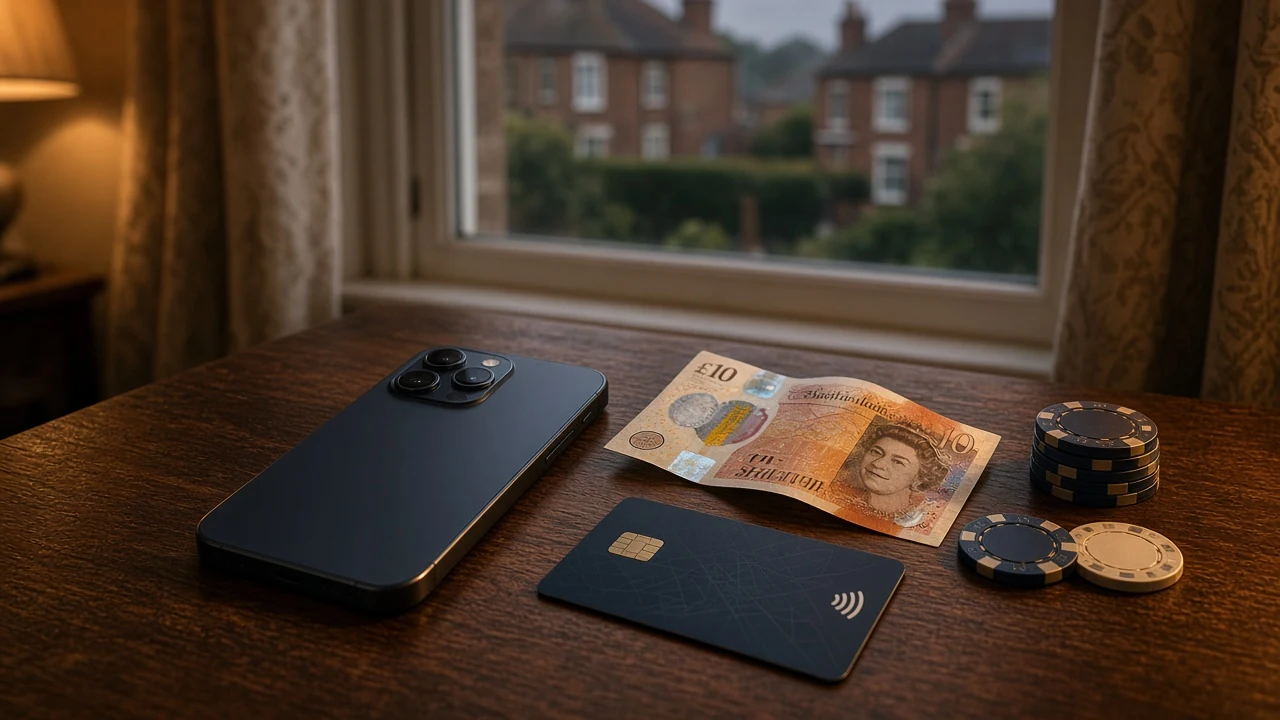
Minimum deposits vary between casino sites and can also vary between payment methods. The amount presented during registration may therefore be an introductory description, while the cashier applies the live rule for the chosen route. This is why a player can encounter a £3 figure in general casino information and then see another amount after selecting a particular payment option. The cashier is where the operational condition becomes visible.
A profile market overview also describes UK low-deposit casinos across a range that includes £1, £2, £5 and £10 minimums. Those figures are not interchangeable labels for the same product. They indicate different entry points, and the available threshold depends on the operator and the payment route. A £3 minimum sits between the lower figures and the more established levels without creating a universal market standard.
The practical rule is plain: the current minimum deposit for a site is shown in its cashier, according to the same profile market overview. Static pages can become outdated; the payment screen is tied to the account, currency and method being used. That makes it the relevant place to confirm whether £3 is currently accepted before a transaction is attempted.
Registration is not the cashier
Registration and depositing are separate stages. An account may be created without the registration page making the final deposit threshold prominent. Even when a site presents a £3 minimum during sign-up, the cashier may apply a method-specific requirement once the payment option is chosen.
While a site may advertise a £3 minimum, the cashier applies the live rule for your specific chosen payment route.
That change is not necessarily a contradiction. The first figure may describe the lowest available route across the site, while the selected method carries its own minimum. Payment providers can also impose thresholds or fees that affect what the casino accepts, as noted in a profile market overview. The amount shown at registration is consequently best understood as a general indication; the cashier supplies the binding detail for the transaction.
The payment method must also be in the player’s name and match the casino registration details. A low threshold does not remove identity or payment checks. Nor does it make an unregulated casino acceptable. In Great Britain, online gambling operators serving consumers must hold the appropriate UK Gambling Commission licence, and licence information can be checked against the Commission’s public register. The smallness of the deposit is no exemption from the rules.
A simple way to read the figures
A £3 minimum deposit casino can be understood through four separate questions:
- Is £3 the casino’s general minimum, or only the lowest figure available through one method?
- Does the selected payment method display the same minimum in the cashier?
- Does the promotion require a higher qualifying deposit?
- Is the withdrawal minimum different from the deposit minimum?
These questions turn a vague label into a workable description. They also prevent the most common misunderstanding: treating the deposit figure as a promise about bonuses, withdrawals or play. It is none of those things.
The sum opens the account balance. The cashier supplies the conditions.
UK Casinos Accepting Small Deposits: What Is Actually Available
The UK minimum deposit casino market is less uniform than its advertising language suggests. A site may present itself as a small-deposit casino while setting a different threshold for the account, the cashier, or a particular route into the account. The useful distinction is therefore not between “cheap” and “expensive” casinos, but between the deposit levels that appear across the market and how consistently they are available.
For a player looking specifically for £3 minimum deposit casinos in the UK, the amount sits between the more familiar low and standard thresholds. It is neither the rarest possibility nor the level most strongly associated with the wider market. That makes comparison important: a £3 offer may be genuine, but it should not be treated as evidence that every payment route or every casino under the same description will accept it.
How the main deposit levels compare
The small-deposit category is generally discussed through a handful of figures:
- £1 is the most restricted end of the market.
- £2 appears as a low entry point but is not presented as the central market standard.
- £3 occupies the middle of the small-deposit range and is the focus of this category.
- £5 is a more established low-deposit level.
- £10 is described as the most stable and widely supported deposit level.
These figures describe casino entry points, not a guarantee that every operator will display them at all times. Minimums can change between sites, and the market label attached to a casino may outlive the conditions shown in its current cashier. A page can continue to describe a “£3 casino” while the live account interface shows another requirement. Advertising has a long memory; cashiers are less sentimental.
A profile review of the sector states that £5 deposit casinos are more common than £1 casinos. That comparison should be read narrowly. It does not establish a universal ranking for every operator, but it does show why £5 is encountered more readily than the very smallest advertised entry points. The same market material places most UK online casino minimum deposits between £5 and £10, making £3 a more selective option rather than the default threshold.
Where £3 fits among UK casinos
A £3 minimum deposit casino can be understood as a casino whose general entry requirement is set at that amount. The category matters because it lowers the initial commitment without implying anything about winning chances, game outcomes, or the eventual cost of play. A smaller first deposit is simply a smaller first deposit.
This is also why the phrase “best £3 minimum deposit casinos UK” needs careful handling. A low threshold alone cannot define the best option. A meaningful comparison would need to consider whether the casino is legally available in Great Britain, whether its terms are clear, and whether the stated amount remains visible when the account reaches the cashier. Those questions belong to the casino as a whole, not merely to the attractive figure in a headline.
Most restricted end of the market.
Occupies the middle of the small-deposit range.
A more established low-deposit level.
The most stable and widely supported level.
The £2 and £3 categories are especially easy to confuse because both are presented as alternatives to the more common £5 and £10 levels. They should remain separate. A casino accepting £2 has not thereby demonstrated that it accepts £3 under identical conditions, and a £3 minimum does not automatically place the operator among £2 casinos. The number is the condition.
Why no-deposit claims sit outside the category
No minimum deposit casinos form a different proposition. A licensed UK casino still operates with a defined account and payment framework; it is not enough for an advertisement to suggest that funds are unnecessary at the outset. A profile review describes licensed UK casinos as rarely offering no-minimum-deposit arrangements. That observation is useful because it places the small-deposit market in context: regulated casinos generally ask for a deposit rather than removing the entry condition altogether.
The distinction also protects the meaning of “minimum deposit”. A £3 casino is not a no-deposit casino, and a promotional free-play message does not erase the ordinary funding requirement. The categories may appear beside one another in commercial copy, but they answer different questions.
Regulation remains part of availability
Every legal online casino serving Great Britain must hold a UK Gambling Commission licence. UK minimum-deposit casinos are therefore described within a regulated market, not as a separate class exempt from ordinary licensing. The size of the deposit does not reduce the operator’s legal obligations.

The UKGC register provides the relevant public record for checking a current operating licence and the domain associated with it. That check matters particularly when an offer is built around an unusually small amount. A tiny threshold is not proof of legitimacy, just as a larger one is not proof of dishonesty. Numbers are poor moral witnesses.
A profile review of the market describes UKGC-regulated £1 minimum deposit casinos as now rare. This does not mean that every £1 claim is false; it means that the smallest advertised category should be treated as a limited market segment requiring verification. The same discipline applies to £3 casinos, even though the amount is less extreme. Availability is a condition to confirm, not a personality trait of the brand.
In practical terms, the UK market contains several small-deposit labels, but they do not carry equal weight. £1 is described as rare among UKGC-regulated casinos; £5 is more established than £1 according to a sector review; £10 is the most stable and widely supported level; and £3 sits between the low-entry alternatives and the broader £5-to-£10 market. That is the landscape in which £3 minimum deposit casinos should be judged.
Legit £3 Casino Options and the UKGC Standard
A £3 minimum deposit says very little about whether an online casino is legitimate. It describes the smallest amount accepted through a particular route, not the quality of the operator behind the cashier. A trusted £3 casino in the UK must first meet the legal standard for remote gambling in Great Britain: it must hold an operating licence from the UK Gambling Commission (UKGC).
UKGC Licensing
Always verify the operator’s licence on the UK Gambling Commission public register before depositing any funds.
That requirement applies regardless of where the company is based. The UK Gambling Commission was established under the Gambling Act 2005, the primary legislation governing gambling in Great Britain, and it maintains a public register of current operating and personal licences. The register matters more than a badge placed in a website footer. Badges are inexpensive decoration.
What a UKGC licence establishes
A licence does not promise winning slots, generous bonuses or frictionless withdrawals. It establishes that the operator has passed a regulatory assessment covering identity and ownership, finances, integrity, competence and criminality. Applicants must be at least 18, and the general legal gambling age in the UK is also 18.
For an online casino, the relevant authorisation is a remote operating licence. A legitimate operator should make its legal identity visible, together with licence information that can be checked independently. The useful test is straightforward:
- identify the legal operator named in the casino’s terms;
- locate that operator or its licence number in the UKGC public register;
- confirm that the registered domain matches the website being used.
A matching name alone is not enough if the listed domain does not correspond. An imitation site can borrow the appearance of a familiar brand while remaining outside the licence record. The domain is part of the check, not a footnote.
The £3 question comes second
The search for a best £3 minimum deposit casino can encourage the wrong order of priorities. The deposit threshold is visible and tidy; licensing, ownership and cashout rules require reading. Yet the latter determine whether the casino belongs in the legitimate category at all.
A £3 option may be attractive to someone who wants to test a site without committing a larger amount. That is a budget decision, not evidence of safety. The regulatory question remains unchanged whether the cashier accepts £3 or a higher sum. A profile review of small-deposit casinos identifies licensing, clear terms, workable banking and straightforward cashouts as the features readers may value when comparing operators. Those features are useful screening points, but only the UKGC register verifies the licence itself.
The market context also matters. A specialist market overview reports that most platforms set a £10 minimum deposit before play begins, while few UK casino sites set the threshold higher than £20. A £3 minimum is therefore a specific commercial setting, not a regulatory seal. It may be available on one payment route and absent on another, which makes the cashier’s displayed requirement the operative information.
Terms must survive close reading
Legitimacy is also visible in the wording around promotions. A casino may accept a small deposit while attaching a different threshold to its welcome offer. The deposit that opens the real-money balance is not automatically the deposit that activates a bonus.
Bonus Terms
Attention A £3 deposit may not qualify for a welcome offer if the promotion requires a higher minimum amount.
Bonus terms commonly specify wagering requirements, time limits and game restrictions. UKGC rules cap wagering requirements at 10x in the UK, but the cap does not make every promotion simple. The terms still need to explain which deposits qualify, which games count, whether maximum bets apply, and when bonus funds or winnings can expire. The requirement that bonus winnings must be wagered before they can be withdrawn as cash should be stated plainly.
A claim such as “£3 deposit with a no-deposit bonus” deserves particular caution. The words can describe separate offers rather than one combined entitlement. A small deposit does not establish eligibility for a welcome bonus, and a promotional headline cannot replace the full conditions. The sensible distinction is blunt:
- the casino’s minimum deposit governs access to funding;
- the promotion’s qualifying deposit governs bonus eligibility;
- wagering and game rules govern whether bonus winnings can become withdrawable cash.
Three different doors.
Banking and cashout transparency
A legitimate operator should explain how deposits and withdrawals work before money is committed. Payment methods used for deposits must be in the player’s name and match the casino registration details. The same identity principle supports the operator’s checks when a withdrawal is requested.
Cashout conditions deserve the same attention as the deposit figure. Withdrawal fees or minimum withdrawal limits can materially affect a small balance, particularly where the initial deposit is only £3. Those conditions should be disclosed rather than left to appear after a withdrawal request. A low entry point paired with obscure cashout rules is not a bargain; it is merely a cheaper way to discover the fine print.
The wider payment discussion belongs in the cashier, where the current minimum deposit is displayed. For legitimacy purposes, the important point is clarity: the site should show the relevant payment route, its conditions and any limits that affect the movement of funds. A polished homepage cannot compensate for an opaque cashier.
A practical legitimacy checklist
Before treating an online slots site with a £3 minimum as safe or trusted, the following checks provide a more reliable basis than promotional language:
- The operator appears in the UKGC public register.
- The listed domain matches the casino website.
- The legal operator is named in the terms and conditions.
- Deposit and withdrawal rules are available before payment.
- Promotion terms state wagering requirements, time limits and game restrictions.
- Withdrawal fees and minimum cashout limits are disclosed.
- Age and identity requirements are clear.
- Responsible gambling tools, including deposit limits, self-exclusion, reality checks and cooling-off periods, are available.
Unregulated casinos should never be engaged with. A £3 minimum cannot soften that conclusion. The amount may reduce the initial financial exposure, but it does not reduce the importance of knowing who holds the licence, what the terms permit and how a withdrawal is handled. A legitimate £3 casino is therefore not defined by the number in its cashier. It is defined by the regulatory record and by whether the rest of the arrangement remains visible when the promotional gloss is removed.
Online Casino Banking for a £3 Deposit
A £3 minimum deposit is not necessarily available through every payment option shown in an online casino cashier. The figure belongs to the casino account, while the practical threshold may belong to the selected banking method. That distinction is where many apparently simple offers become less simple.
A casino may advertise a low entry amount, but the cashier decides what can actually be deposited at that moment. A profile-focused review states that the current minimum deposit for a site is displayed in its cashier. The payment page is therefore more useful than a banner, comparison table or registration screen. It shows the method, the permitted amount and any notice attached to the transaction.

Why the payment method changes the minimum
Different banking methods bring different operating costs and technical arrangements. A profile-focused review reports that payment methods can have different minimums, processing speeds and bonus rules. The casino is not necessarily changing its general policy; it may be responding to the conditions attached to that particular payment route.
Prepaid options, selected e-wallets and standard debit cards are linked to minimums as low as £5 in the same profile-focused review. That matters for a search for an online casino with a £3 minimum deposit in the UK: a site can support a £3 account minimum while the chosen card or wallet does not support a transaction at that level. The cashier may then reject the amount, adjust the available buttons or show a higher starting figure.
Bank transfers and some third-party services may require larger sums, according to that profile-focused review. Some casinos may require £15 or £20 for particular payment methods. Such a threshold does not prove that the casino has abandoned its £3 minimum; it shows that the method and the account minimum are separate pieces of information.
Payment Method Variations
Different banking methods carry different costs and rules. For example, while an account might allow a £3 deposit, a specific card or e-wallet might require a minimum of £5 or more.
Payment providers may also impose their own thresholds or fees, affecting the amount a casino accepts, as noted by the same profile-focused review. A small deposit is especially sensitive to fixed fees. A charge attached to a low-value transaction can alter its practical cost, even when the casino’s displayed minimum remains unchanged. The unromantic machinery of payments has little interest in the elegance of a small number.
What to check in the cashier
The relevant details should be read from the deposit screen rather than inferred from the casino’s promotional language. The important points are:
- the minimum amount shown for the selected method;
- whether the payment provider adds a fee;
- whether the method is available for deposits in the player’s name;
- whether the casino registration details match the payment account;
- whether the method carries separate bonus conditions;
- whether another banking route is needed if the first option does not accept £3.
Payment accounts used for deposits must be in the player’s name and match the casino registration details. This is not merely clerical tidiness. A mismatch can complicate verification and may prevent the transaction from being accepted or later reconciled with the account.
The cashier should also be checked after logging in, because the displayed options are the operational statement of what the casino currently accepts. A general reference to a £3 minimum cannot replace that screen. The site may show different methods, thresholds or conditions depending on the account and the payment route selected.
A £3 deposit and welcome bonuses
A low deposit does not automatically activate a welcome offer. A profile-focused review states that most welcome bonuses start at deposits of £10 or more. The casino may therefore permit a £3 deposit for play while excluding it from the promotion.
The distinction should be visible in the bonus terms before any deposit is made. Those terms may set a qualifying minimum above the casino’s general minimum and can include wagering requirements, expiry periods, bet limits and game restrictions. Bonus winnings must be wagered before they can be withdrawn as cash. A small qualifying deposit can therefore create a larger set of conditions than the deposit itself suggests.

A £3 payment should not be described as bonus-eligible unless the specific promotion confirms it. The amount required to open play and the amount required to claim an offer are different questions. One buys access to the account balance; the other accepts a contract written in promotional language, usually with the cheerful appearance of a gift and the structure of a rulebook.
Processing and the next step
Processing expectations depend on the payment method selected, not simply on the fact that the deposit is £3. The available method may show its own processing information in the cashier, while the casino’s terms explain any additional restrictions. A bank transfer or third-party service may involve a larger required amount, and a payment provider may apply its own threshold or fee.
Small deposits also make withdrawal information worth checking in advance. Withdrawal fees or minimum withdrawal limits can affect the eventual cash-out, even though they do not change the initial deposit figure. The deposit screen answers one question; the withdrawal section answers another.
Only operators authorised for online gambling in Great Britain should be used. The UK Gambling Commission maintains a public register where the operator name or licence number can be checked against the listed domain. Account creation and deposits are restricted to people aged 18 or over.
Responsible Play Checklist
- Check the operator in the UKGC public register
- Confirm the domain matches the licence
- Read the specific wagering requirements for any bonuses
- Verify the minimum withdrawal limit
- Set your own deposit limits using responsible gambling tools
Responsible gambling tools should remain visible alongside banking information. Deposit limits, self-exclusion, reality checks and cooling-off periods are not decorative additions to a cashier. They are part of the structure that makes a regulated account more than a payment form with games attached.
Playing Slots with Real Money on a £3 Budget
A £3 deposit is a starting balance, not a promise of extended play. In a real-money slot session, the money is available for wagering once the casino accepts the transaction and the account is ready to play. The important distinction is between the funds themselves and any promotional balance attached to them.
A casino can accept a £3 deposit for cash play while setting a different threshold for its welcome offer. The deposit required to unlock a bonus may be higher than the casino’s general minimum. A profile-led casino review gives the practical example of a site accepting a £5 deposit for play but awarding its welcome bonus only when the deposit reaches £10. The lesson is simple: the cashier minimum and the promotion threshold are separate rules.
What the £3 balance can and cannot do
The balance can be used for eligible slot stakes as real money, subject to the casino’s game and account rules. It does not create better odds, extend a session automatically, or turn a small budget into a reliable return. Slot outcomes remain uncertain; the size of the first deposit changes the amount at risk, not the probability of winning.
This matters when comparing a £3 minimum deposit online casino with a larger-entry site. A low threshold may suit someone who wants to test the cashier, play with a strictly limited amount, or avoid committing more funds than intended. It is not evidence that the casino’s games are more generous. Small numbers are still numbers.

The same principle applies to a mobile casino offering a £3 minimum deposit. A mobile layout may make the transaction convenient, but it does not alter the status of the funds. The deposit is real money only after it has been credited to the playable balance; a promotional amount may remain subject to additional conditions.
Read the bonus terms before accepting anything
Bonus terms can include wagering requirements, expiry periods and game restrictions. Those conditions may determine which slots count, how long the promotion remains available and what must happen before bonus-related winnings can be withdrawn as cash. Bonus winnings must be wagered before withdrawal, where the promotion imposes that requirement.
For that reason, a £3 real-money deposit does not automatically qualify for a welcome bonus, free spins or any other offer. A promotion may require a larger deposit, a qualifying code, or participation within defined terms. The only reliable threshold is the one stated in the promotion itself.
For players interested solely in slots, declining an unsuitable bonus can make the balance easier to understand: deposited funds remain distinct from promotional funds, and the session begins without an offer whose restrictions are unwanted. Any account must belong to someone aged 18 or over, and responsible-gambling controls such as deposit limits, reality checks, cooling-off options and self-exclusion should remain available.
£3 Slot Sites and GamStop Status
A £3 minimum deposit and GamStop status are separate questions. The first concerns the amount accepted at the cashier; the second concerns self-exclusion and the operator’s legal position. A slot site may advertise a small starting deposit, but that description says nothing by itself about whether the site is suitable for customers in Great Britain or subject to the protections expected there.
Regulatory Safety
A low deposit threshold does not substitute for a valid UK Gambling Commission licence.
For legal online gambling in Great Britain, a UK Gambling Commission licence is required. The licence is not replaced by a low deposit, an offshore address, or a prominent game catalogue. This matters particularly when a site is presented as “not on GamStop”. That phrase can sound like a technical feature, but it may instead indicate that the operator is outside the normal UK regulatory framework. Less paperwork is not the same as more freedom. Sometimes it is merely less protection.
GamStop is a self-exclusion system, not a minimum-deposit category. A person who has chosen self-exclusion should not treat a site outside that scheme as a convenient alternative. Seeking a £3 slot site that bypasses a self-exclusion decision turns a modest deposit into a route around a safeguard designed to interrupt gambling. The amount is small. The implication is not.
Bonus wording deserves the same caution. Where a UK-licensed promotion includes wagering requirements, UKGC rules cap those requirements at 10x. Terms may still determine which games count, how winnings are handled, and whether other restrictions apply. A low entry amount does not make promotional conditions harmless, nor does it guarantee a positive result.
The sensible distinction is therefore straightforward:
- £3 minimum deposit: a cashier condition;
- GamStop participation: a self-exclusion consideration;
- UKGC licensing: a legal and regulatory requirement;
- Bonus terms: conditions that must be read separately.
Any site that cannot be matched to a UKGC licence should not be treated as a lawful UK online casino merely because it accepts British pounds or offers slots. Small deposit. Large caveat.
Can PayPal Be Used for a £3 Casino Deposit?
PayPal can appear among the banking options at a UK online casino, yet its presence does not guarantee that a £3 deposit will be accepted. The casino may advertise a low general minimum while applying a different threshold to each payment route. A cashier is therefore more informative than a promotional label.
A profile casino review notes that payment methods can have different minimums, processing speeds and bonus rules. That distinction matters here: the account may technically be a £3 minimum deposit casino, while PayPal requires a higher amount before the transaction can be submitted. The same account could show another minimum for cards, an e-wallet or a prepaid option. Small print, as ever, is where the money becomes specific.
Payment providers can also impose their own thresholds or fees, according to a profile casino review. Those conditions may affect the amount the operator is prepared to accept. A failed £3 PayPal deposit is not automatically evidence that the casino is unavailable; it may simply mean that PayPal’s route has its own floor, or that a fee makes the small transaction impractical.
The useful distinction is between the casino’s advertised minimum and the PayPal minimum displayed at checkout. Before confirming a deposit, the cashier should be checked for:
- the minimum amount shown beside PayPal;
- any fee disclosed for the transaction;
- whether the payment account is in the same name as the casino account;
- the bonus rules attached to that payment method.
If PayPal does not accept £3, another listed method may work, but its own conditions still apply. Deposits should be made only through regulated operators, and gambling accounts are for adults aged 18 or over. Small funding does not make winning more likely. It only makes the first transaction smaller.
Why Casinos Advertise Deposits in Pounds
“Three pounds” is a currency statement before it is a casino promise. In the United Kingdom, a £3 minimum deposit means that the account’s funding screen may accept a deposit of three pounds in sterling. It does not describe the stake size, the amount needed for a promotion, or the smallest withdrawal available later.
That distinction matters because a casino may present the same service differently to players using different payment routes. Minimum deposits can vary between sites and, in some cases, between payment methods. A figure displayed in an advert therefore has a narrower meaning than it first appears to carry. It points towards a possible entry threshold, not a universal condition attached to every cashier button.
- Check the cashier for method-specific minimums
- Verify the operator’s identity in the UKGC register
- Read all bonus terms and wagering requirements
- Assume a £3 deposit qualifies for all promotions
- Use sites that claim to bypass GamStop protections
- Rely on promotional headlines instead of the cashier
The practical reference point is the operator’s cashier. A profile review may describe a £3 option, but the current minimum deposit for the site is shown in its cashier. That is where the available currency, selected payment method and account-specific requirements meet. If the screen requests a different amount, the screen governs the transaction.
Pounds are advertised because they make the proposition legible to a British audience. Sterling removes the small act of mental conversion and places the advertised amount beside the sum likely to appear at checkout. It is commercial language, but also administrative language: one currency, one displayed threshold, fewer opportunities for misunderstanding.
A careful reading is therefore simple. “£3 minimum deposit” identifies the advertised sterling entry point. The cashier confirms whether that entry point is available. The label attracts attention; the payment screen supplies the fact.
Casinos with a £3 Minimum: Deposit, Bonus and Withdrawal Are Separate
A casino with a £3 minimum deposit in the UK is describing the smallest amount accepted for funding the account. That figure answers one narrow question: how much money must enter the balance before play can begin? It says nothing, by itself, about promotional eligibility or the amount that can later be withdrawn.

The distinction matters because a promotion can set a qualifying minimum above the casino’s general deposit requirement. A site may accept £3 as a deposit while requiring a larger amount for a welcome offer. The cashier and the promotion’s terms therefore perform different jobs: one states the funding threshold, the other defines the conditions attached to a particular reward.
A small deposit also does not create an automatic right to cash out the same amount through the same route. According to a specialist market review, withdrawals can have their own minimum, separate from the deposit figure. That condition may matter more than the entry amount when a small balance is involved. A nominally modest deposit can therefore meet the casino’s basic rule while remaining below a stated withdrawal threshold.
The clean way to read a UK casino listing is to separate three questions:
- What is the minimum deposit shown by the cashier?
- What deposit is required for the promotion?
- Is there a minimum withdrawal or another cash-out condition?
These are separate commercial rules, not three descriptions of the same pound. The £3 label identifies access to the account’s real-money balance. It does not promise a bonus, and it does not guarantee that a withdrawal request will be processed at that amount.
Small print, large consequences.
Mobile Deposits and Pay-by-SMS Casinos
Mobile payment systems can make a small casino deposit possible without using a card or bank transfer. A payment is charged through a mobile account, and the casino balance is credited after the provider confirms the transaction. That sounds simple. The phone, naturally, still gets the final word.
A £3 minimum is not guaranteed merely because a casino accepts mobile payments. The casino and the mobile provider may apply different thresholds, so the amount displayed in the cashier remains decisive. A specialist industry review also notes that payment methods can carry different minimums, processing speeds and bonus rules. A mobile option may therefore accept a smaller deposit than another method at the same site, while offering different promotional treatment.
Pay-by-SMS has a further practical limitation: it is a deposit route, not a matching withdrawal route. Funds paid through a mobile message cannot be withdrawn back through the same method. Any winnings or remaining balance must be cashed out using an alternative option supported by the casino, such as an approved bank or payment account. That route may involve its own minimum withdrawal requirement or fee, which matters when the original deposit was small.

The payment account should belong to the registered player and match the casino account details. The cashier should also show the applicable deposit minimum before confirmation. Mobile convenience is useful only when the complete journey is clear: funding, playing, verification and withdrawal. A low entry amount does not change the rules governing cash-outs.
How do minimum deposit casinos work for slot players?
A minimum deposit sets the smallest amount you can add to your casino balance, but it does not determine bet sizes, available slots, or how long the balance will last. The exact minimum may vary by payment method and should be confirmed in the cashier.
How do minimum deposits affect online casino bonuses?
The minimum needed to play can be lower than the deposit required for a bonus. For example, a casino may accept a £5 deposit but require £10 or more for a welcome offer, which may also include wagering requirements, time limits, and game restrictions.
What is the absolute lowest deposit I can make at a UK casino?
The lowest commonly available deposit is £1, although it is usually limited to selected payment methods such as e-wallets, prepaid vouchers, or mobile payment systems. The cashier shows the current minimum for the method you choose.
Prepared by the Casinouk Payments Hub editorial staff.