
Monopoly Live Casino UK: How the Game Works
 Available in GB
Explore the live studio format, ways to play, demo limitations, casino checks and the practical limits of strategy.

Table of Contents
- What Monopoly Live Brings to a UK Casino Floor
- How the Monopoly Live Online Casino Experience Works
- Which UK Casinos Offer Monopoly Live?
- Ways to Play Monopoly Live Without Making the Table Complicated
- Finding the Best Monopoly Live Setup for a UK Budget
- Monopoly Live as a Game Show, Not Just a Casino Game
- Monopoly Live Stats, History and the Limits of Strategy
- What to Check on a Casino Site with Monopoly Live
- The Monopoly Live Demo: Useful Rehearsal, Not Real-Money Practice
- A Sober Monopoly Live Review: Free Play, Payments and Safety
What Monopoly Live Brings to a UK Casino Floor
Monopoly Live belongs to the part of the UK casino market where gambling is presented as a broadcast rather than a silent software transaction. The game uses a real studio, a physical wheel and a human dealer, with the action streamed to players’ devices in real time. That combination gives the format its particular identity: part casino table, part television set, part carefully regulated piece of theatre.
For anyone searching for a Monopoly Live casino in the UK in 2026, the important distinction is not the familiar board-game branding. It is the difference between watching an actual game environment unfold and receiving an outcome generated entirely inside casino software. Monopoly Live sits on the live side of that divide.
A physical table behind the screen
A live dealer casino depends on equipment that exists somewhere beyond the interface. Broadcast studios use genuine roulette wheels, card shoes and staffed tables, with trained dealers conducting the games. Cameras capture the action and send it to the player’s phone, tablet or computer. The screen is therefore not merely displaying an animation of a table; it is carrying an image of one.

That physical setting changes the tone of the experience. A dealer’s gestures, the movement of the wheel and the visible handling of equipment provide a sense of sequence that ordinary digital casino games do not need to create. In an RNG game, software determines the result and presents it through graphics or symbols. In a live game, the result comes from the recorded action of the physical equipment, with the broadcast connecting the studio to the online audience.
The distinction is technical, but it is also social. A conventional online casino can feel solitary even when the account sits inside a busy lobby. A live table suggests a shared room: one dealer, one broadcast and players watching the same event from separate places. A little theatre, delivered at a distance.
Where Monopoly Live fits
Monopoly Live is a game-show casino format rather than a conventional roulette or blackjack table. Its appeal comes from the way casino play is wrapped in a visible studio presentation, with the Monopoly theme providing the stage language. The format belongs to the wider family of Live Game Shows, where a single broadcast can gather a large online audience around a common event.

That makes it distinct from the established live table games that shape much of the UK market. Live blackjack uses a dealer, cards and a physical table. Live roulette uses a real wheel and a croupier. Monopoly Live uses the same broad principle of human presentation and physical equipment, but gives the experience a more overtly produced, game-show character.
A profile review has described live blackjack as the most popular live casino game in the UK. That observation helps place Monopoly Live in context without turning popularity into a verdict. Blackjack carries the authority of the traditional casino. Monopoly Live borrows the casino’s mechanics of chance while presenting them through a brighter, more televisual format. Different moods, same underlying separation from RNG play.
Why the dealer matters
The dealer is not decorative furniture in a live casino broadcast. The dealer operates the physical equipment, maintains the flow of the show and remains visible while the game takes place. This visibility supplies the human continuity missing from a software-only interface. There is a person conducting the event, not merely a graphic announcing its result.
For some players, that presence is the principal reason to choose live casino play. The attraction is not necessarily complexity or novelty. It is the feeling that the game has a location, a host and a moment in which it happens. The dealer’s role gives the broadcast a rhythm and makes the table legible as a social space, even when every participant is remote.
The arrangement also makes the casino’s machinery more apparent. A wheel has to be operated. Cards have to be handled. The table has to be filmed. Physical action replaces the polished invisibility of an RNG. There is no suggestion that a live format removes chance; it simply places chance inside an observable process.
Live play in the UK setting
A live Monopoly casino experience offered to players in Great Britain belongs within the regulated online gambling framework. Operators providing online gambling services to consumers in Great Britain must hold a UKGC licence, and live casino games offered to UK players are subject to regulation and testing alongside the rest of the casino. The game is available only to verified users aged 18 or over.
Live casino games are available only to verified users aged 18 or over and are subject to UKGC regulation.
That framework matters because the live label can otherwise sound like a promise of authenticity without explaining who is responsible for the service. The broadcast may look informal, even playful, but it remains gambling conducted through a regulated online operator. The studio atmosphere does not turn the activity into harmless entertainment. It is still a casino game, with money at stake and controls attached to the account and operator.
The UK’s approach is revealing in its own quiet way. A country willing to licence streamed casino play also insists that the surrounding system be accountable: the operator, the broadcast and the player journey belong to the same regulated environment. The glittering set is allowed. The invisible obligations are not optional.
More than an animated casino screen
The phrases “casino live Monopoly” and “live Monopoly casino” describe the same basic attraction from slightly different angles: the Monopoly theme is presented through a real-time casino broadcast rather than a standard RNG game. The screen carries a physical event, a human dealer and a recognisable studio format.
That is what Monopoly Live brings to a UK casino floor, even when the floor is digital: presence. The game does not recreate the traditional casino by copying its architecture. It imports the table, the dealer and the camera, then turns them into a shared online performance. For players tired of silent reels and software-generated motion, that difference is the entire point.
A real set. A real dealer. A streamed event.
How the Monopoly Live Online Casino Experience Works
Opening Monopoly Live at an online casino feels less like launching a conventional digital table and more like entering a broadcast. The screen presents a live dealer, a physical wheel and a studio view, while the betting panel translates that room into buttons, balances and status markers. The arrangement is practical rather than mysterious: the show happens in the studio, and the interface carries its consequences to the player.

From lobby to live table
The journey begins in the live casino lobby. A table tile identifies Monopoly Live and normally shows whether the table is open for betting, between rounds or waiting for the next broadcast segment. Selecting it loads the video feed alongside the betting interface. This is the point at which the online casino Monopoly Live experience becomes distinct from a static game screen: the dealer and equipment remain visible while the digital controls organise participation.
Table limits are displayed before bets are placed. They define the permitted range for each selection, so the interface is not merely decorative. A stake that falls outside the table’s limits cannot be accepted. The same screen generally shows the player’s balance, available betting options and the current phase of the round.
There is no leisurely pause between decisions. Live casino games use fixed betting windows, and Monopoly Live follows that broadcast rhythm. Bets can be entered while the window is open; once it closes, the controls stop accepting new selections. A visible timer makes the deadline explicit. It is a small piece of theatre, but also a useful boundary: the digital table cannot be persuaded to wait.
Placing bets through the interface
To play Monopoly Live online, selections are made by tapping or clicking the relevant areas of the betting panel. The chosen options are then reflected in the on-screen bet slip or table display, allowing the amount and placement to be checked before the window ends. The player does not handle chips physically; the interface records the instruction and sends it to the live system.
How the technology works
Live casino operations use multiple high-definition cameras to show the dealer, wheel and surrounding equipment from different angles. Optical Character Recognition reads physical table events and turns them into digital data, allowing the platform to settle bets and update the display.
Behind this apparently simple process is a technical chain linking the studio to the account screen. Live casino operations use multiple high-definition cameras to show the dealer, wheel and surrounding equipment from different angles. Optical Character Recognition reads physical table events and turns them into digital data, allowing the platform to settle bets and update the display.
The video feed typically has latency under two seconds. That delay is not an invitation to treat the screen as a loophole. The betting window, not the instant at which a picture appears, determines whether a selection can be registered. The Game Control Unit (GCU) helps connect the physical action with the digital record, while the interface presents the result in a form the account system can process.
Watching the result and the room
Once betting closes, the wheel is operated in the studio and the result is shown through the live feed. The dealer’s presentation gives the round a social surface that software alone cannot imitate: greetings, announcements and the visible handling of equipment make the outcome part of a continuing broadcast. The result then appears in the betting panel, with settled selections reflected in the account balance.
Chat adds another layer. Many live tables allow messages between players and the dealer, and some also show interaction among players. It is not necessary for placing a bet, but it changes the atmosphere from solitary screen-watching into a shared room. The casino floor has been compressed into a browser window. Less velvet, more notifications.
The quality of that experience depends partly on the connection. A stable internet connection of at least 5 Mbps is recommended for smooth HD streaming, according to a specialist review. If the feed pauses, the betting system does not become more forgiving; the table continues according to its scheduled windows and timers. A mobile browser can also carry live casino games on smartphones and tablets without requiring an app, although the available controls and visual space depend on the device.

For a suitable monopoly live online casino UK experience, the important details are therefore visible and functional: a readable live feed, clear table limits, an active timer, responsive betting controls and chat that does not obscure the game. The best online casino with Monopoly Live is not defined by the loudest interface. It is the one in which the broadcast and the account record remain understandable from one round to the next.
Which UK Casinos Offer Monopoly Live?
The phrase “Monopoly Live casinos” sounds like a ranking waiting to happen. In practice, availability changes by operator, licence, territory and live lobby configuration. A polished site is not automatically a suitable one, and a prominent game tile proves very little on its own. The sensible starting point is not the size of the welcome banner but whether the operator is permitted to offer remote gambling to consumers in Great Britain.
Begin with the UKGC licence
Casinos with Monopoly Live for the British market must operate under a UK Gambling Commission licence. The relevant shorthand is a UKGC licence. This is not decorative compliance language: operators offering online gambling in Great Britain must hold the appropriate remote operating licence, wherever the business itself is based.
The UKGC maintains a public register of current operating and personal licences. A casino’s name or licence number can be checked against that register, followed by confirmation that the listed domain matches the site being considered. That last step matters. A familiar brand name can be copied, redirected or presented on a different domain with different ownership and different permissions.
Only a verifiable UKGC-licensed operator belongs on a shortlist of Monopoly Live casino sites. Offshore availability, attractive branding and a familiar game catalogue do not change that boundary. Operating without the required UKGC licence is a criminal offence.
Legal Requirement
Only verifiable UKGC-licensed operators are permitted to offer remote gambling to consumers in Great Britain. Operating without the required licence is a criminal offence.
Age is part of the same threshold. Live casino gambling is restricted to players aged 18 and over. A site that handles age and identity checks as an afterthought is offering a poor signal before the game has even loaded.
Confirm that Monopoly Live is genuinely available
A casino may advertise live games without carrying every title at every moment. The useful check is the live lobby itself: Monopoly Live should appear as an available game, with a functioning table rather than a dead promotional tile or a page that redirects elsewhere.
Availability can also depend on the account’s permitted jurisdiction. A site may be licensed for Great Britain while presenting different products to customers in other territories. The wording around location therefore deserves attention, particularly when the homepage is built for an international audience.
This is where the distinction between a licensed operator and a merely attractive site becomes plain. The former places the game inside a regulated casino environment. On a UKGC-licensed site, live casino games are subject to the same regulation and testing as the rest of the casino. Games are monitored, results are recorded, and independent auditors verify operations. The show may be theatrical; the controls are not meant to be.
Look beyond the Monopoly Live tile
The surrounding account and casino structure should be examined without confusing it with the game itself. A suitable operator should make its legal identity, licence information and terms accessible rather than burying them beneath promotional copy. The live lobby should identify the game clearly and keep the betting interface connected to the actual broadcast table.
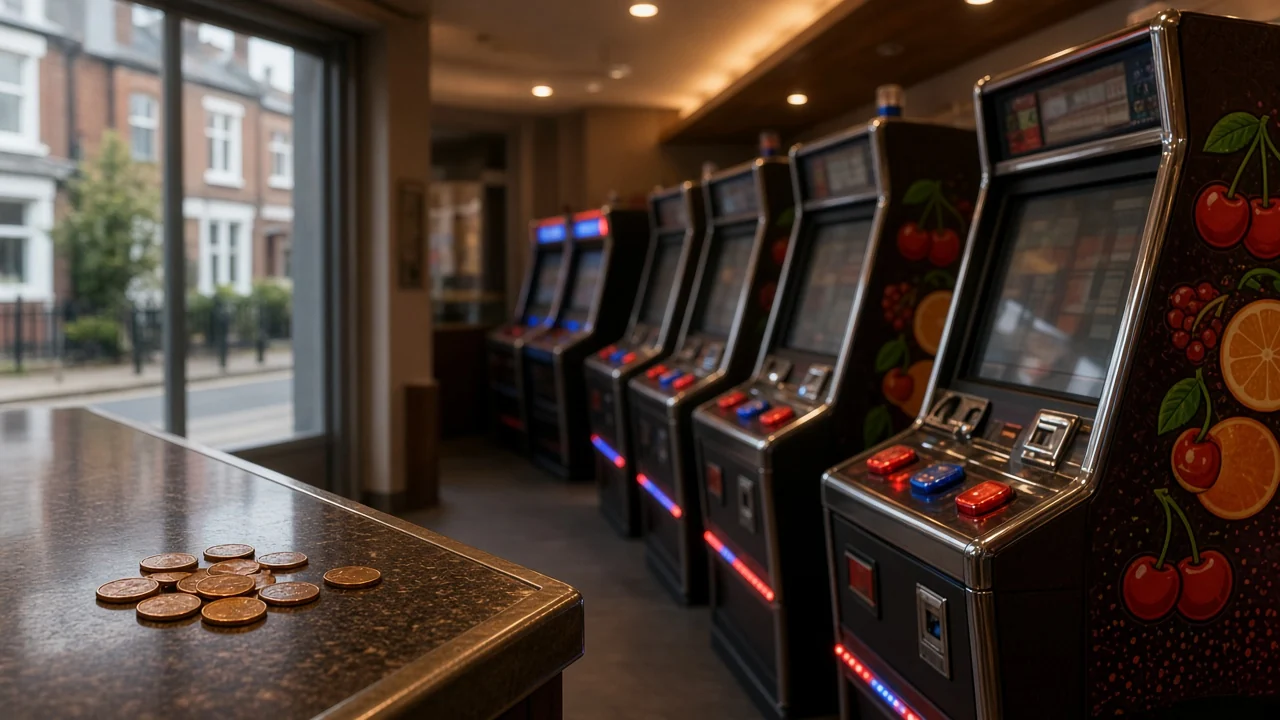
Technical transparency has a practical value here. Player bets are registered in real time through camera feeds and specialised software that reads the table. That connection between the physical studio and the digital account is part of what makes a live game different from a software-only casino title. If the interface looks like a standard game but gives no clear indication of the live table, the presentation deserves caution.
There is no honest universal list of the “best Monopoly Live casinos UK”. Suitability depends first on lawful access and confirmed availability, then on whether the operator’s live section is clear, accountable and properly integrated. A glossy lobby is easy to manufacture. Regulatory evidence is less forgiving.
Ways to Play Monopoly Live Without Making the Table Complicated
Once a suitable UK casino has been chosen, the route into Monopoly Live is fairly direct. The game is presented in a live lobby alongside other casino tables, but its rhythm is closer to a scheduled broadcast: a round opens, bets are accepted, the betting window closes, and the result is produced on the physical set. Then the table resets and the process begins again.
That repetition matters. A player does not need to master a dense rulebook before joining a round. The essential task is to select the available wager, place it while betting is open, and wait for the outcome. The interface records the bet and displays the result, while the dealer and studio provide the human setting that separates a live game from a software-only casino title.
Playing a Round
Access the Monopoly Live table within the live casino lobby.
Review the available betting options and the specific table limits.
Select your wager and enter it while the betting window is still open.
Wait for the betting window to close and watch the physical wheel spin for the outcome.
Starting with real-money play
Real-money play takes place through a UKGC-licensed operator after the account has passed the required checks. Live casino gambling is restricted to players aged 18 and over, and only verified users aged 18 or over can play for money. The distinction is not decorative. A live table may be visible in the lobby, but access to betting depends on the account and the operator’s controls.
The round itself is governed by fixed betting windows. Bets cannot be added indefinitely or altered after the window closes. Table limits determine which stakes are available, while decision timers keep the show moving. These controls are part of the format rather than an inconvenience invented by a particular casino. The table has a schedule, even when the schedule is only the next round.
The simplest way to play Monopoly Live casino is therefore to treat each round as a separate event:
- Open the Monopoly Live table.
- Review the available betting options and table limits.
- Place the chosen bet during the betting window.
- Wait for betting to close and the result to appear.
- Decide whether to join the next round.
No elaborate routine is required. The danger, if there is one, lies in mistaking a smooth routine for control over the outcome. The table keeps moving regardless.
Playing on a phone or tablet
A Monopoly Live casino session does not require a dedicated application. Live casino games can be played on smartphones and tablets through a mobile browser without downloading an app. This makes the mobile route less ceremonious: a browser opens the operator’s site, the live lobby is selected, and the table can be joined from the available games.
The mobile screen compresses the casino into a smaller frame, but the central sequence remains intact. Betting options, the countdown to the end of the betting window, the broadcast and the result are presented within the same play cycle. A phone is not a separate version of the game; it is another viewing and betting interface for the live table.
That distinction is useful when considering a so-called Monopoly Live casino app. An operator may offer an app for broader account access, but an app is not necessary merely to watch or join the game. The browser may be the cleaner choice for someone who wants to avoid another installation and keep the session tied to the operator’s web account.
Keeping the table manageable
Chat adds a social layer, allowing communication with the dealer and other players during the live show. It can make the table feel less like a solitary screen and more like a public room, although it remains optional rather than part of the betting process. The game does not become more complicated because other people are speaking.
A demo or free-play version, where offered, can show the layout and timing without turning the session into real-money gambling. That is a rehearsal of the interface, not a substitute for understanding the limits of the live format. For a first visit, the plainest approach is often the soundest: join one table, follow one round, and let the next decision wait until the current result is complete.
Finding the Best Monopoly Live Setup for a UK Budget
This page highlights key details to consider when choosing a UK operator for Monopoly Live casino play in 2026. Use the listed licensing, bonus, payout, and deposit information to assess which option fits your preferences.
License: UKGC Operator Licence · Bonus: £20 bonus · Payout speed: Within 48 hours · Min. deposit: £10 Silverbond Enterprises holds a UKGC Operator Licence and offers a £20 bonus. It has a £10 minimum deposit, with payouts available within 48 hours.
License: UKGC Operator Licence · Bonus: £200 welcome bonus · Payout speed: Within 48 hours · Min. deposit: £10 32Red combines a UKGC Operator Licence with a £200 welcome bonus. The minimum deposit is £10, and payouts are processed within 48 hours.
License: UKGC Operator Licence · Bonus: £100 bonus · Payout speed: Within 24 hours · Min. deposit: £10 Genesis Global Limited is licensed by the UKGC and offers a £100 bonus. Its £10 minimum deposit is paired with payouts within 24 hours.
License: UKGC Operator Licence · Bonus: £100 bonus · Payout speed: Within 24 hours · Min. deposit: £10 LeoVegas holds a UKGC Operator Licence and provides a £100 bonus. Players can start with a £10 minimum deposit, with payouts within 24 hours.
License: UKGC Operator Licence · Bonus: £50 bonus · Payout speed: Within 48 hours · Min. deposit: £10 Platinum Gaming Limited is a UKGC-licensed operator offering a £50 bonus. It has a £10 minimum deposit and payouts within 48 hours.
License: UKGC Operator Licence · Bonus: £100 bonus · Payout speed: Within 24 hours · Min. deposit: £10 ProgressPlay Limited holds a UKGC Operator Licence and offers a £100 bonus. The minimum deposit is £10, while payouts are available within 24 hours.
“Best” is a slippery word in live casino advertising. For one player, it means a table that permits modest stakes; for another, it means access to a broad live lobby and higher limits. A promotional banner cannot settle the question. The sensible measure is whether the Monopoly Live setup matches the available budget without turning the casino’s surrounding conditions into an afterthought.
Start with the Table, Not the Bonus
Minimum stakes are the first practical filter. Standard live blackjack and roulette tables typically begin at £1–£5 per round, while VIP and high-roller tables may require £25–£500 or more. Monopoly Live is a game-show format rather than a conventional card or roulette table, so its limits must be checked in the individual lobby. The title alone does not reveal whether a particular table is suitable for a smaller bankroll.
That distinction matters because the result of each round is only one part of the financial picture. A table with a low entry point may allow a budget to last longer, whereas a prestige table can make the same bankroll disappear with remarkable efficiency. Casino glamour is not a budgeting tool.
Financial Caution
Attention Always check the minimum and maximum stakes of a specific table, as prestige tables can exhaust a bankroll much faster than standard ones.
Live blackjack also tends to carry higher limits than digital blackjack. That comparison is useful when assessing the wider casino setup, but it should not be mistaken for evidence about Monopoly Live itself. Each game has its own displayed betting range, and those terms deserve more attention than a “best casino” label.
What a Suitable Bankroll Looks Like
A modest budget calls for a table whose minimum stake does not force every round into a large financial decision. A larger budget may make higher limits relevant, but it does not make them automatically preferable. The most appropriate setup is the one in which the table range remains compatible with the amount set aside for gambling.
Other live games show how sharply minimums can differ across a casino lobby. Crazy Time and Dream Catcher allow bets from as low as £0.10, while standard live tables can begin at £1–£5. That contrast does not establish a Monopoly Live limit, but it does explain why checking the actual game panel matters. Assumptions are expensive little things.
Bonus Terms Need Separate Reading
A Monopoly Live bonus can look valuable while contributing little to the game itself. Live casino games may be excluded entirely from a bonus wagering requirement or may contribute at a reduced rate. The headline amount therefore says less than the terms governing eligible games, contribution rates and any restrictions attached to the offer.
This is where “best Monopoly Live casino UK 2026” becomes a question of fit rather than rank. A site with an attractive promotion may be less useful for a player who intends to play live games if those games do not count fully towards the wagering requirement. A smaller-looking offer with clearer conditions may be the more intelligible arrangement.

Payments and Access
Payment choice is part of the setup, not a decorative feature beside it. Credit cards cannot be used for gambling in the UK, including through an e-wallet funded by credit. A casino must also prevent credit-card gambling through an e-wallet before accepting that payment route. Any assessment of a Monopoly Live casino bonus or table should therefore sit alongside the payment rules, not above them.
Real-money live casino gambling is restricted to verified users aged 18 or over, and UK-facing live games must operate under a UK Gambling Commission licence. Those are baseline conditions, not premium qualities. A site failing them is not a cheaper version of the best setup. It is the wrong setup altogether.
The result is a plain test: confirm the table’s actual minimum and maximum, read how live play counts under the wagering requirement, and check that the payment route is permitted. Then the word “best” becomes less theatrical—and considerably more useful.
Monopoly Live as a Game Show, Not Just a Casino Game
Monopoly Live belongs to the part of the casino where the table begins to resemble a television studio. Its appeal is not limited to the possibility of a result on a betting screen. A real human dealer operates physical equipment while cameras carry the action to players’ devices. The wheel, the presentation, the pauses and the reactions create a shared broadcast rather than the solitary rhythm of a standard software game.
A large-scale live game show built around a bright studio presentation.
A wheel-based format focused on anticipation and visual momentum.
Based on the familiar television game-show structure with dramatic reveals.
A high-energy live-show tradition using atmosphere as a key identity.
That distinction explains why the Monopoly Live casino game can feel larger than its underlying mechanics. The format borrows from the visual language of a game show: a host-like dealer, a prominent set, moments of anticipation and a sense that something is unfolding in public. The casino is still present, of course. It has merely learned to smile for the camera.
The atmosphere of a live game show
A Monopoly Live game is built around participation in a live event. Players may communicate with the dealer and with one another through chat, turning what could have been a private transaction into a room with a visible audience. The conversation does not change the outcome, but it changes the social texture. A result is no longer just software revealing an animation; it is announced, witnessed and recorded within an ongoing broadcast.
This is also why scale matters. Live casino game shows can accommodate hundreds or thousands of players in the same show. That audience gives the format an unusual mixture of intimacy and spectacle. The dealer appears close enough to address the table, while the number of people watching is closer to a television audience than to a traditional casino table.
The experience therefore sits between gambling and entertainment. It does not become harmless entertainment merely because the set is colourful, but its design clearly borrows from entertainment’s oldest devices: suspense, personality and a public reveal.
Monopoly Live beside other named formats
The wider category makes the character of Monopoly Live easier to see:
- Crazy Time is another large-scale live game show, built around a bright studio presentation and a sense of theatrical interruption.
- Dream Catcher is centred on a wheel format, making anticipation and visual momentum more prominent than the quiet concentration associated with card tables.
- Deal or No Deal Live draws on the familiar television game-show structure, where presentation and revealed choices carry much of the drama.
- Funky Time also belongs to the colourful, high-energy live-show tradition, using atmosphere as an important part of its identity.
Monopoly Live is recognisable within this group because it combines casino equipment with a branded board-game world. That setting gives the broadcast its own visual grammar: a studio designed to be watched, not merely observed while waiting for a result.
A monitored spectacle
The theatrical surface does not remove the regulatory machinery underneath. Live casinos operate under oversight; games are monitored, results are recorded and independent auditors verify operations. The show may be playful, but the process is not supposed to be improvised.
That tension is central to a sober Monopoly Live game review. The format succeeds because it feels social and spontaneous while depending on controlled equipment, documented outcomes and a carefully managed broadcast. It is a casino game dressed as a show—and, for many players, the costume is the point.
Monopoly Live Stats, History and the Limits of Strategy
Monopoly Live statistics have a useful but modest role. They can show what happened at a table, when it happened and how the platform recorded it. They cannot turn an independent future outcome into a readable script. That distinction matters because a history panel looks authoritative: rows of symbols, coloured results and tidy records suggest that the next spin is hiding in plain sight. It is not.
What the records actually show
A Monopoly Live tracker is best understood as a record-keeping tool. It may preserve recent outcomes and display them beside the live table, giving the session a visible history rather than leaving each round to vanish immediately. Such information can help explain the rhythm of play and make the interface easier to follow.
Understanding Stats
- Monopoly Live trackers are record-keeping tools, not prediction engines.
- Historical outcomes do not influence the mathematical probability of the next round.
- Past results are descriptive and support regulatory oversight rather than strategy.
It does not establish a reliable prediction. A sequence of results remains a sequence of results. A long absence of a feature does not make that feature “due”, while a run of similar outcomes does not make another result more likely merely because the pattern feels uncomfortable. The human mind dislikes an untidy column. Casino software has no obligation to tidy it.
The same caution applies to wider claims about Monopoly Live casino history. Historical material may describe the game’s development, its place among televised-style live formats or the evolution of the technology used to record table events. None of that supplies a betting system for the next round.
Why live results are recorded
Recording is not decorative. Live casinos operate under regulatory oversight, with games monitored, results recorded and operations checked by independent auditors. The record forms part of the evidence that the table is being run and settled as presented.
The technical process also explains why a result can appear on screen so quickly. Optical Character Recognition software reads the physical wheel and chips, converting table events into digital data. Player bets are registered in real time through camera feeds and specialised software that reads the table. The result shown in the interface is therefore connected to a monitored physical event, not generated by a visible pattern in the previous results.
That does not mean every public history panel contains every operational record. A display designed for players is not the same thing as an audit file. It is a readable summary.
A restrained strategy
There is a practical sense in which Monopoly Live casino strategy exists, but it is narrower than many systems suggest. It concerns table mechanics: understanding the fixed betting window, respecting table limits and noticing the decision timer before committing a bet. Those are choices about process and control, not methods for forecasting the wheel.

A sensible record can also help separate planned play from impulsive escalation. If the history shows a sequence that tempts larger bets, the useful response is to recognise the temptation rather than manufacture a theory around it. Past results may inform a personal record of behaviour; they do not change the mathematical status of the next round.
The honest use of Monopoly Live stats is therefore descriptive. They document the past, support oversight and make the live session legible. Prediction is another matter. No tracker can make chance confess.
What to Check on a Casino Site with Monopoly Live
Before using a casino site featuring Monopoly Live, the first inspection belongs to the operator, not the wheel. A polished lobby can conceal very ordinary weaknesses. The sensible checks are administrative, almost dull. That is precisely why they matter.
UKGC licence
A site offering Monopoly Live to players in Great Britain must hold a UKGC licence. The UK Gambling Commission’s public register allows the operator name or licence number to be checked, together with the domain listed for that licence. The domain matters: a genuine licence attached to a different website proves nothing about the site currently open in the browser.
On a UKGC-licensed site, live casino games are subject to the same regulation and testing as the rest of the casino. This covers the wider operating framework rather than turning every game into a promise of favourable results. Regulation is a floor, not a lucky charm.
Gambling controls
The account area should provide clear responsible-gambling controls. Remote operators must prompt players to set a deposit limit before the first deposit, and all remote operators must belong to GAMSTOP, the national online self-exclusion scheme. A site should also make it possible to stop playing while retaining the remaining deposit and winnings earned from that deposit.
Safety Checklist
- Verify the operator holds a valid UKGC licence
- Confirm age verification (18+)
- Set a deposit limit via responsible gambling controls
- Check if live games contribute to bonus wagering requirements
If gambling is becoming difficult to control, BeGambleAware.org and the National Gambling Helpline provide support. Silence is not a safety feature.
Payments and live-lobby terms
Credit cards cannot be used for gambling in the UK, including through an e-wallet funded by credit. The operator must also prevent prohibited credit-card use through an e-wallet.
Finally, the Monopoly Live lobby’s bonus terms deserve a separate glance. Live casino games may contribute at a reduced rate to a wagering requirement, or be excluded entirely. A promotional balance is therefore not automatically usable on the live table.
The Monopoly Live Demo: Useful Rehearsal, Not Real-Money Practice
A Monopoly Live casino demo is best understood as a rehearsal room. It can show how the table is arranged on screen, where betting controls appear and how the game moves from an open betting phase to a settled result. That familiarity matters, particularly for anyone who finds a busy live interface more distracting than entertaining.
The demo can also convey the table’s rhythm. Bets are selected through a digital interface, the result is presented as part of a live broadcast, and the screen may include chat with the dealer or other players. It is a modest form of theatre: the wheel, the studio and the presenter create a sense of an event rather than a silent software display.
But presentation is not proof of a gambling experience. In real-money play, live casino games use real dealers and physical equipment, whereas standard online casino games rely on software-based random number generators. A demonstration mode cannot reproduce the financial consequence of staking money, nor can it establish that a particular operator is suitable for players in Great Britain.
That distinction is especially important when considering a Monopoly Live casino demo UK version. A practice screen may resemble the regulated lobby without carrying the same status. Real-money play is available only through a UKGC-licensed operator, to verified users aged 18 or over. The demo itself does not replace identity checks, regulatory safeguards or the conditions attached to an actual account.
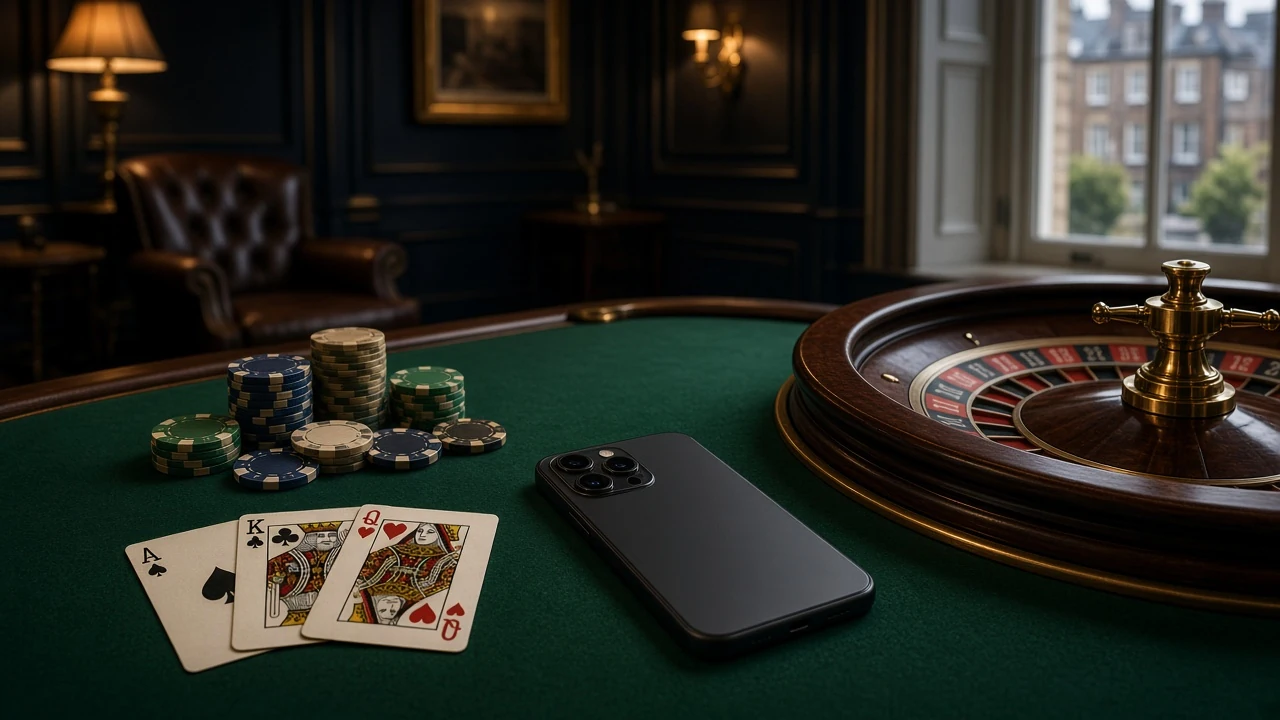
Nor should a sequence of demo results be treated as evidence of a winning method. It is useful for learning the interface and deciding whether the live presentation appeals. It cannot forecast future outcomes, create an advantage or turn observation into preparation for guaranteed profit.
A demo answers a narrow question: does the format make sense on screen? For everything involving actual funds, rather more than the screen is involved.
A Sober Monopoly Live Review: Free Play, Payments and Safety
A Monopoly Live review should begin with a distinction that promotional pages often blur: free play is rehearsal, not gambling with imaginary money that somehow predicts real-money results. A free version can familiarise players with the layout, betting controls and round rhythm. It cannot reproduce the financial consequences of a live session, and it does not turn past outcomes into evidence of a future advantage.
The surrounding casino conditions matter more than the bright wheel. Real-money play is restricted to verified users aged 18 or over, and the operator must hold a UKGC licence to offer the game to UK consumers. Verification is therefore part of access, not an optional administrative nuisance.

Payment safeguards are equally plain. Credit cards cannot be used for gambling in the UK since 2020. That prohibition also covers credit-card funding through an e-wallet, while operators must ensure that permitted wallet payments cannot conceal a credit-card transaction. Apple Pay and PayPal may appear in a cashier, but their availability does not override those rules.
Before a first deposit, the operator must prompt the player to set a deposit limit. Live games may also be excluded from bonus wagering requirements or contribute at a reduced rate, so a promotion is not a reliable measure of value. The small print remains the least theatrical part of the casino.
All remote operators must belong to GAMSTOP, the national online self-exclusion scheme. Players must be able to stop at any time and retain their remaining deposit and eligible winnings from that deposit. For additional support, BeGambleAware.org and the National Gambling Helpline offer responsible-gambling help.
That is the sober verdict on Monopoly Live casino free play and real-money access: the show may be colourful, but the safeguards should be visible, enforceable and rather boring. As they should be.
Written by the editors at Casinouk Payments Hub.